Warm-up
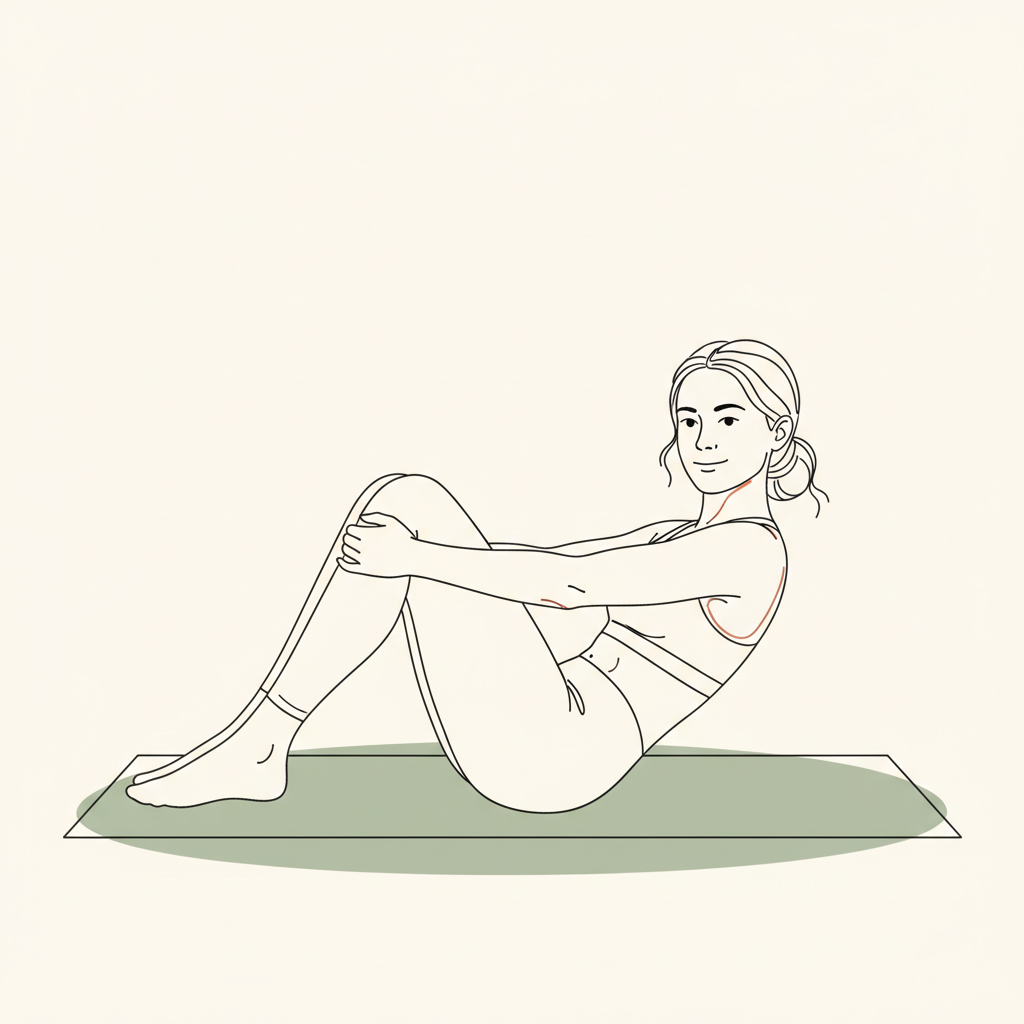
Supine Knee-to-Chest Rolls
180 seconds
Lie on your back and draw your knees toward your chest, holding them lightly with your hands. Use your arms to steer your knees in slow, rhythmic circles or move them gently from side to side. Breathe out as you pull your knees closer, keeping your breath steady to avoid putting unnecessary pressure on your pelvic floor. Focus on keeping your shoulders and neck relaxed against the floor throughout the movement. You should feel a soft, soothing massage across the muscles of your lower back and sacrum. Avoid tensing your jaw or lifting your hips too high off the ground.
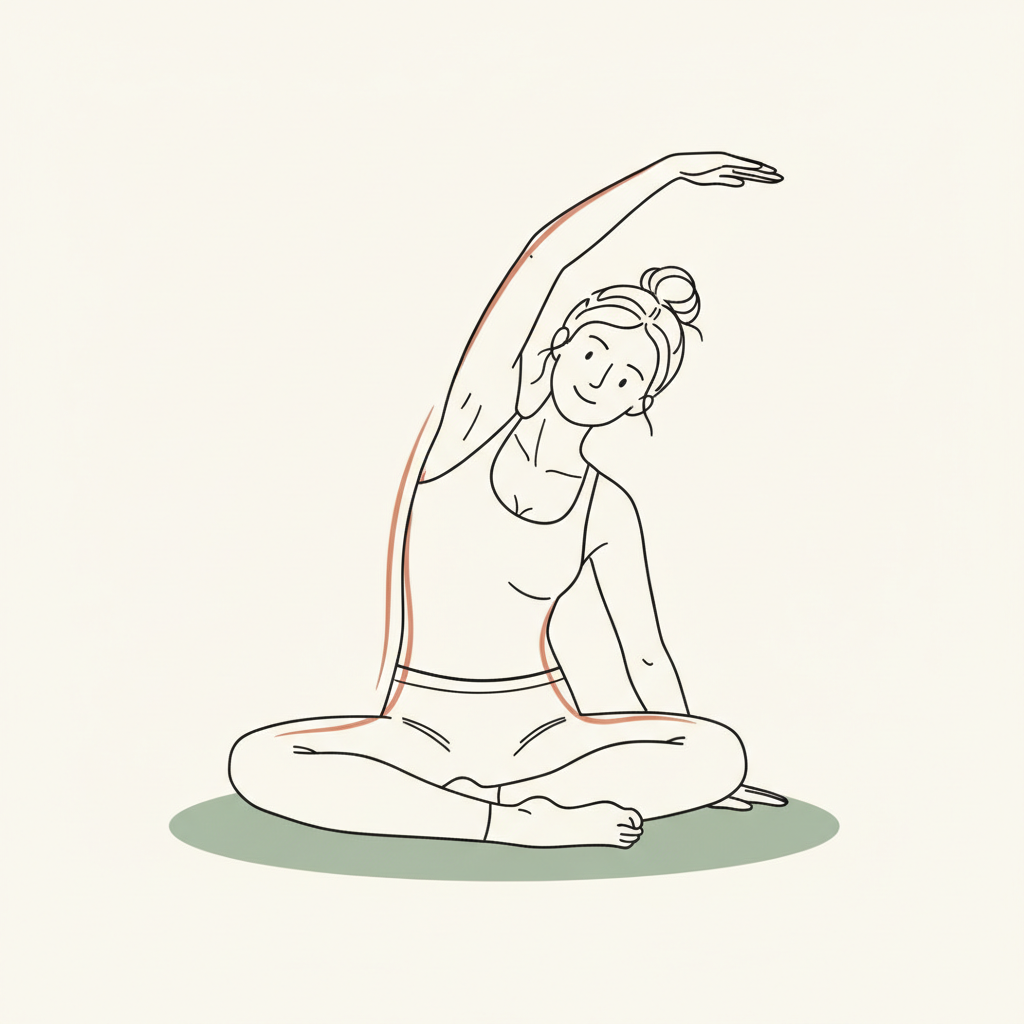
Gentle Side Stretches (seated)
120 seconds
Sit tall in your chair with your feet flat on the floor and your spine long. Reach your arms toward the ceiling, then slowly lean your upper body to one side while keeping both sit bones pressed firmly into the seat. Exhale as you lean to help relax your rib cage and avoid placing any downward pressure on your pelvic floor. Keep your chest open and your shoulders relaxed away from your ears rather than hunching forward. You should feel a gentle, lengthening stretch along the side of your torso from your hip to your underarm. Return to the center and repeat on the other side with a steady, calm breath.
Main session
Supported Stillness Sequence
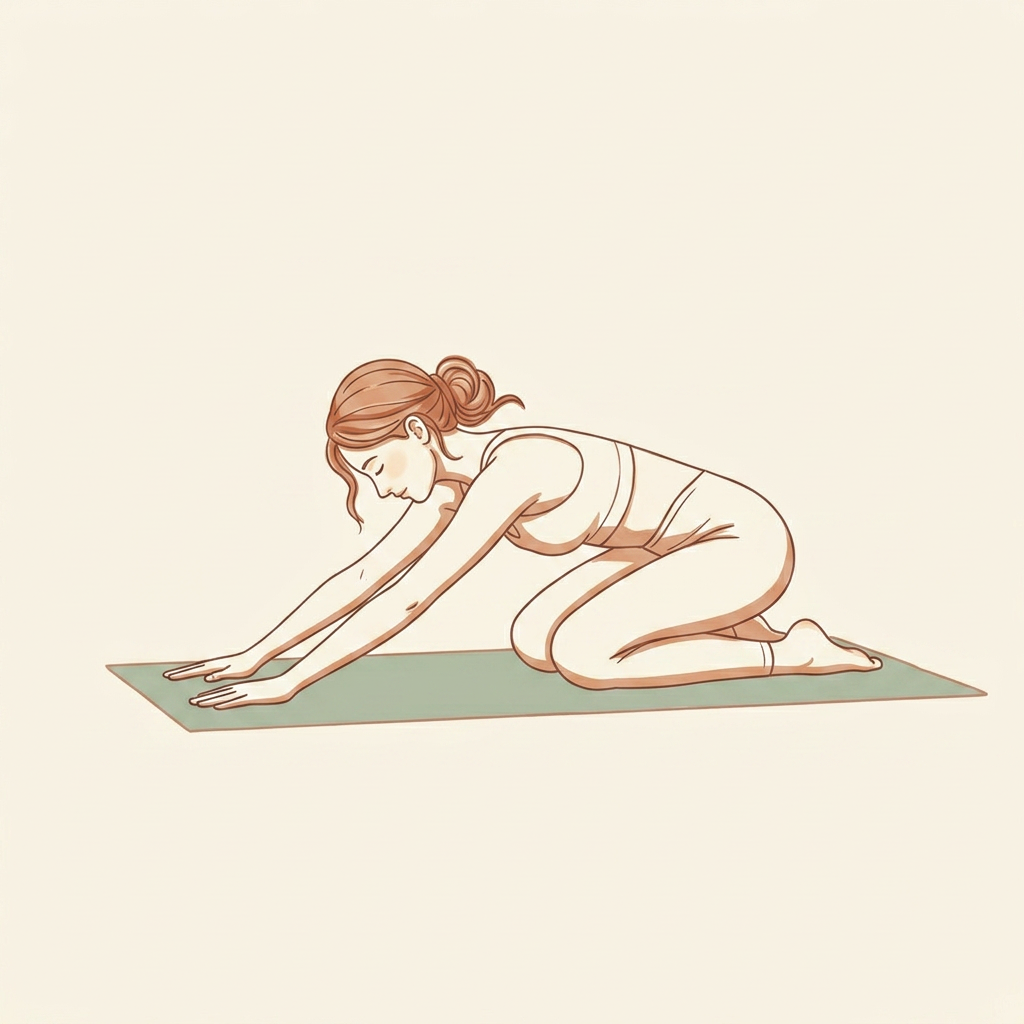
1 roundChild's Pose
180 seconds
Kneel on the floor with your big toes touching and knees spread wide enough to frame a long bolster or folded blankets. Fold forward slowly, resting your torso and one cheek onto the support while letting your arms relax alongside your head. Breathe deeply into your back, allowing your belly to soften and your hips to sink toward your heels. Exhale fully to release tension, being careful not to push or strain against your pelvic floor. Avoid hunching your shoulders toward your ears or forcing your hips down if they feel tight. You should feel a gentle stretch in your lower back and a sense of quiet heaviness throughout your body.
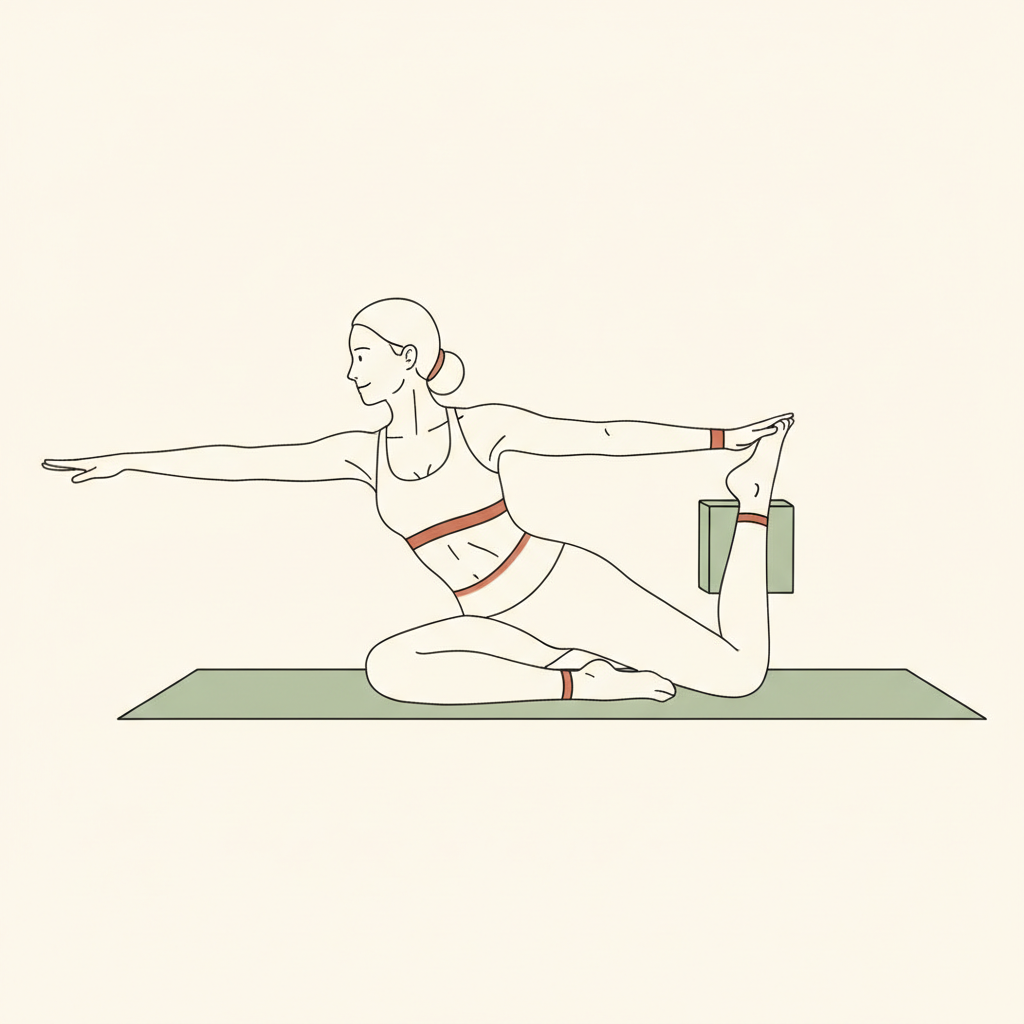
Reclined Spinal Twist with Support (right & left)
120 seconds
Lie on your back with your knees bent and feet flat on the floor. Slowly lower both knees to one side, placing a firm cushion or block under the top knee so your legs can fully relax. Extend your opposite arm outward and turn your head away from your knees to complete the line. Breathe out slowly as you settle into the rotation, allowing your ribs to soften rather than holding tension in your belly. Avoid forcing your shoulder to touch the ground if it feels tight; instead, focus on a gentle release through your lower back and outer hip. You should feel a mild, comfortable stretch along your side.
Legs-Up-The-Wall Pose
240 seconds
Sit close to a wall and scoot your hips as near to the baseboard as feels comfortable before swinging your legs up. Rest your heels against the wall with your legs straight or slightly bent and let your arms relax by your sides. Soften your knees and let your hips feel heavy against the floor or a small cushion. Inhale through your nose and exhale slowly through your mouth, letting your belly rise and fall without any straining. Avoid locking your knees or tensing your neck, as this should feel like a passive release for your lower body. You should feel a gentle drainage sensation in your legs and a steady slowing of your heart rate.
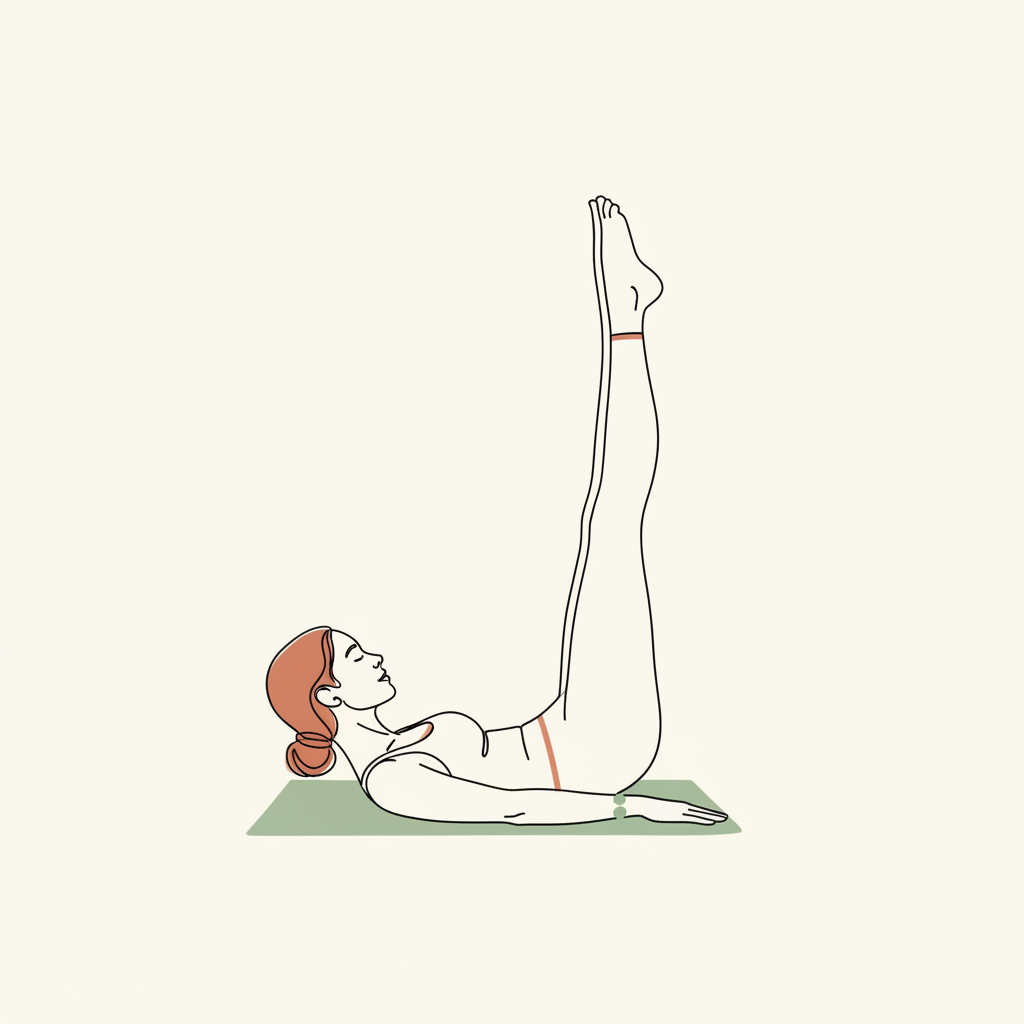
Supported Fish Pose (using blanket/block)
180 seconds
Place a yoga block or rolled blanket horizontally across your mat so it rests just under your shoulder blades when you lie back. Extend your legs long or keep your knees bent to protect your lower back as you settle your head onto the floor. Feel your collarbones broaden and your shoulders melt toward the ground to create space in your chest. Breathe slowly and deeply into your ribs, allowing each exhale to soften your body further into the support without pushing or tensing. Avoid arching your back too aggressively or straining your neck; the sensation should be a gentle, restorative opening rather than a sharp stretch. You should feel a sense of release in your heart and lungs as your posture unwinds.
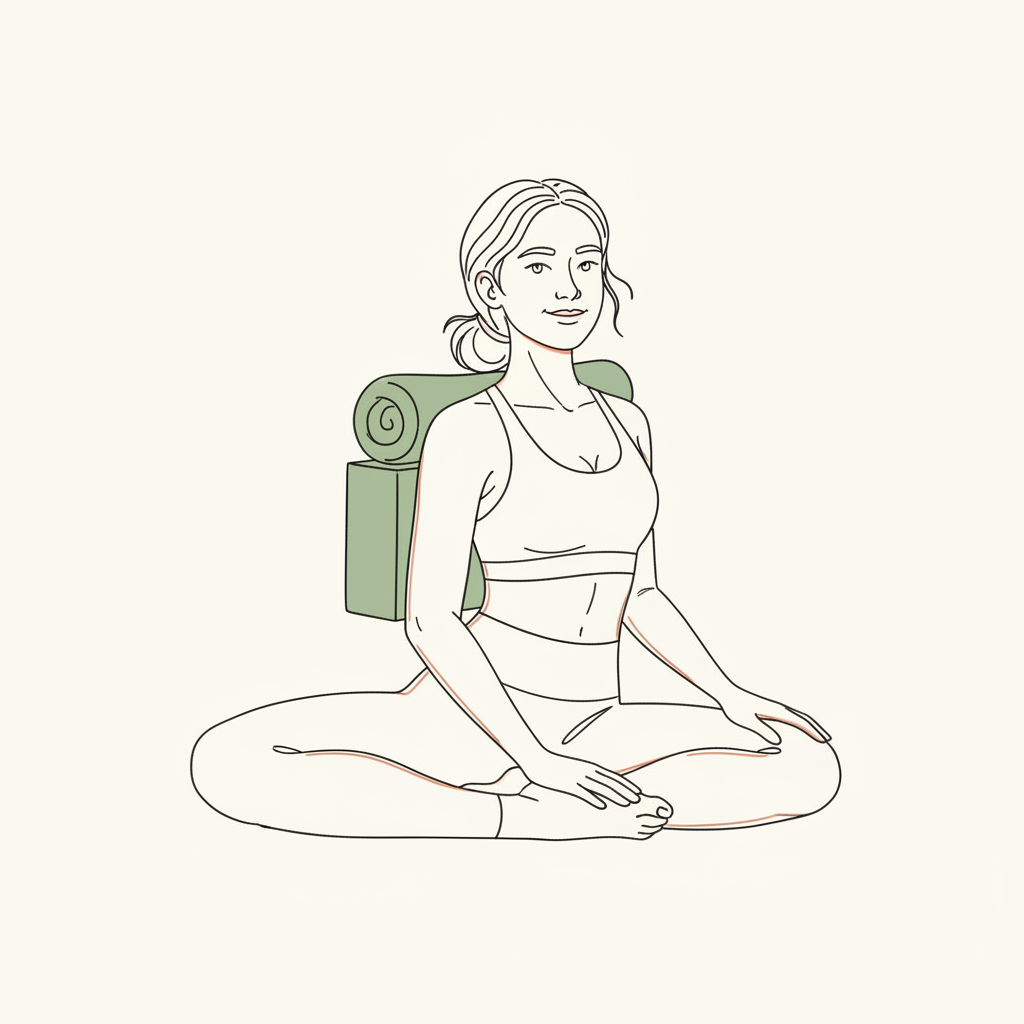
Constructive Rest Position
120 seconds
Lie on your back with your knees bent and feet flat on the floor, positioned slightly wider than your hips. Let your knees lean inward to touch each other so your legs can fully relax without effort. Soften your jaw and allow your spine to settle naturally into the floor. As you breathe, focus on soft inhales and slow, effortless exhales that encourage your pelvic floor to let go rather than bearing down. Avoid trying to flatten your lower back or tensing your thighs. You should feel a sense of quiet release and widening across your pelvis and lower back.
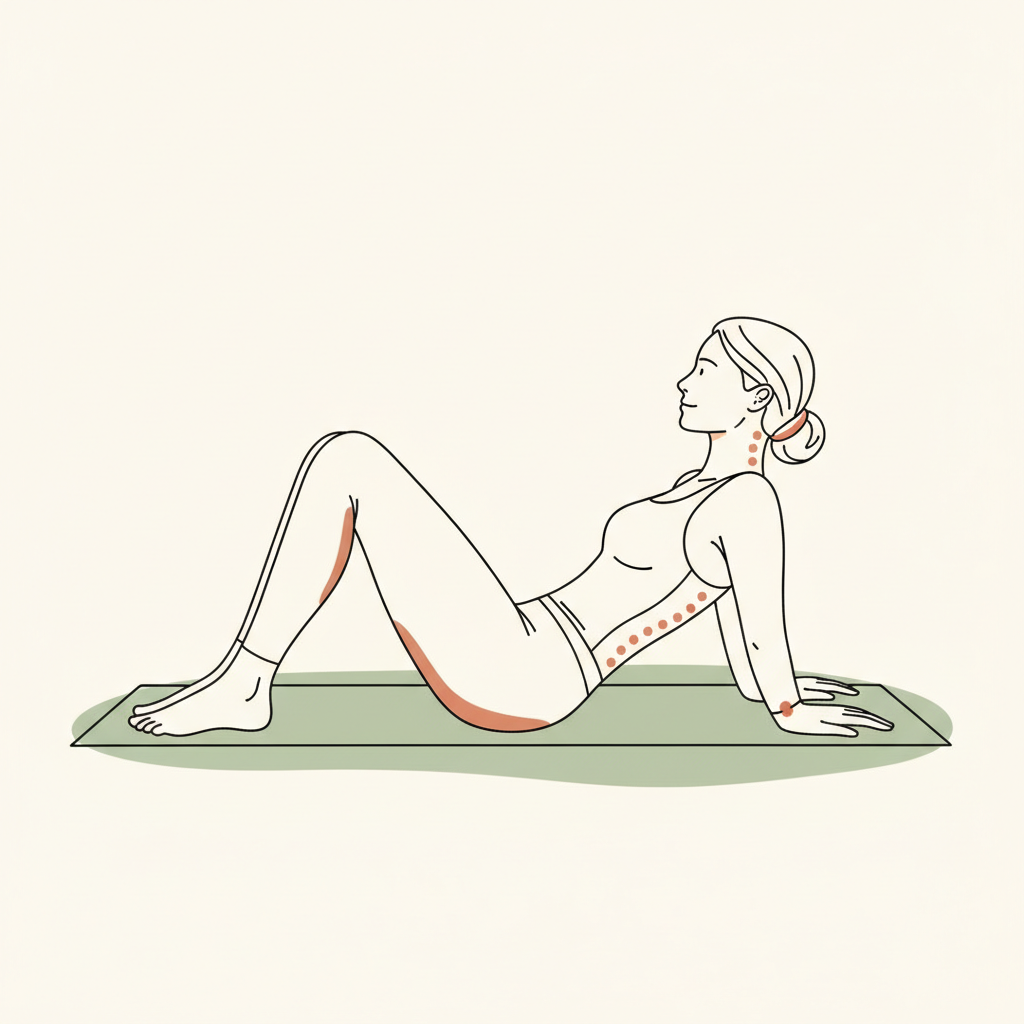
Cool-down
Body Scan Meditation in Savasana
180 seconds
Lie flat on your back with your legs extended and arms resting comfortably at your sides, palms facing up. Close your eyes and let your breathing settle into a natural, easy rhythm. Slowly move your attention from your toes up to the top of your head, pausing at each muscle group to notice any tightness or warmth. On every long exhale, consciously soften the area you are focusing on, letting the floor support your full weight. Avoid overthinking the sensations or trying to force a state of calm. You should feel a sense of heavy, quiet stillness as your nervous system begins to settle.
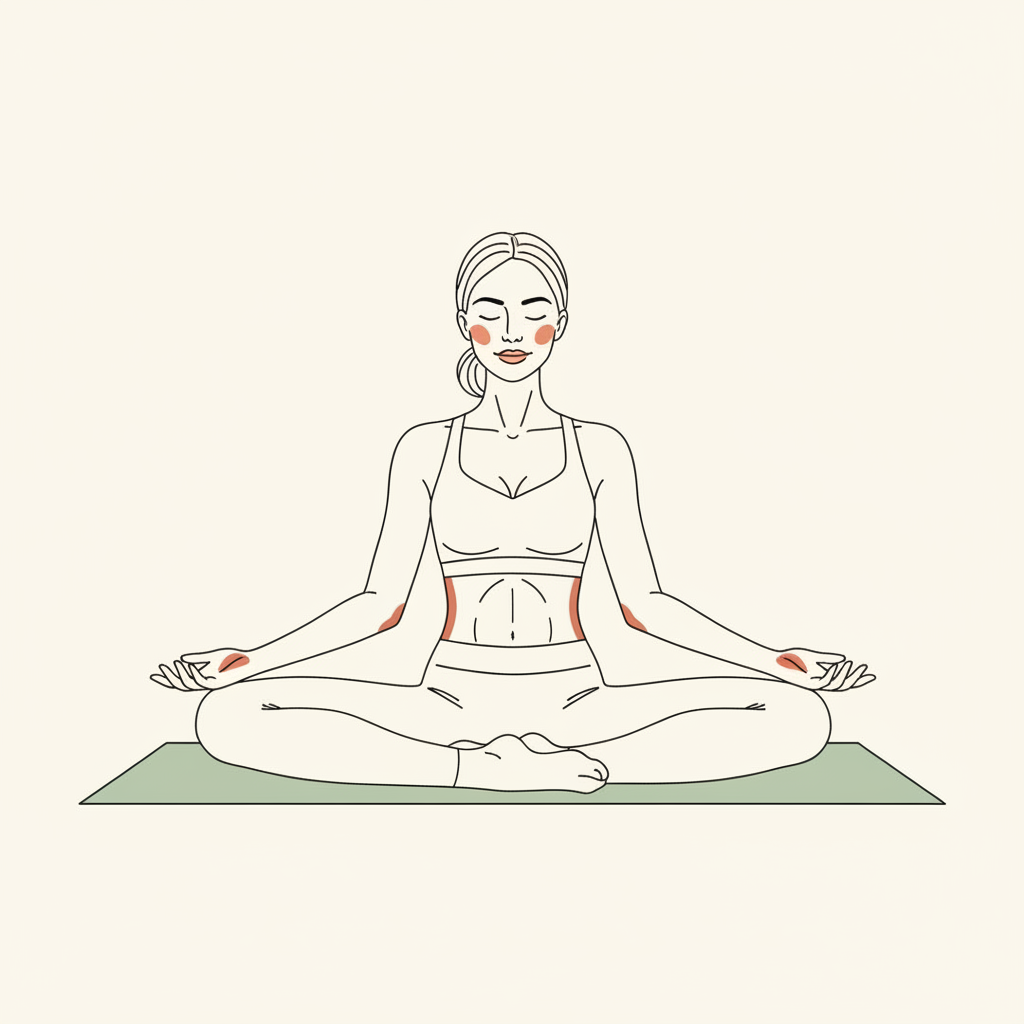
Extended Savasana
300 seconds
Lie flat on your back with your legs extended and your arms resting at your sides, palms facing up. Close your eyes and let your feet drop open naturally as your body settles into the floor. Inhale slowly and feel your belly rise, then exhale fully to release any tension held in your shoulders or jaw. Allow each breath to flow without force, avoiding any pressure through your midsection or pelvic floor. Resist the urge to fidget or plan your next task, focusing instead on the feeling of weightlessness. You should feel a sense of quiet stillness as your heart rate slows and your muscles completely relax.
Tags