Warm-up
Foot Roll with Small Ball (optional)
120 seconds
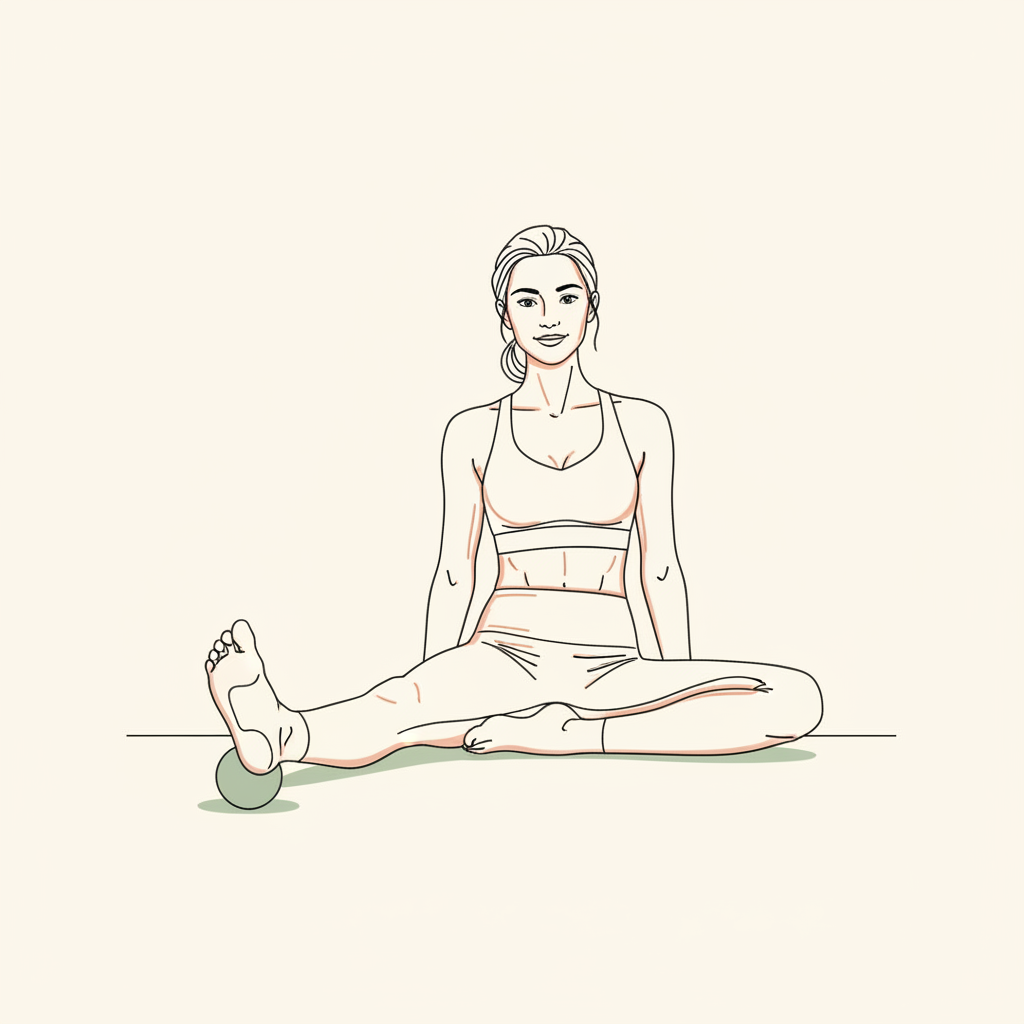
Standing tall, knees slightly soft, gently place one foot on the small ball. As you smoothly roll the ball from your heel to your toes, exhaling fully as the ball moves forward, think about spreading your toes to greet the top of the ball, then inhaling as you return. A common mistake is pressing too hard, so remember this is about gentle awareness and release in your foot, not deep tissue work.
Full Body Shake Out
60 seconds
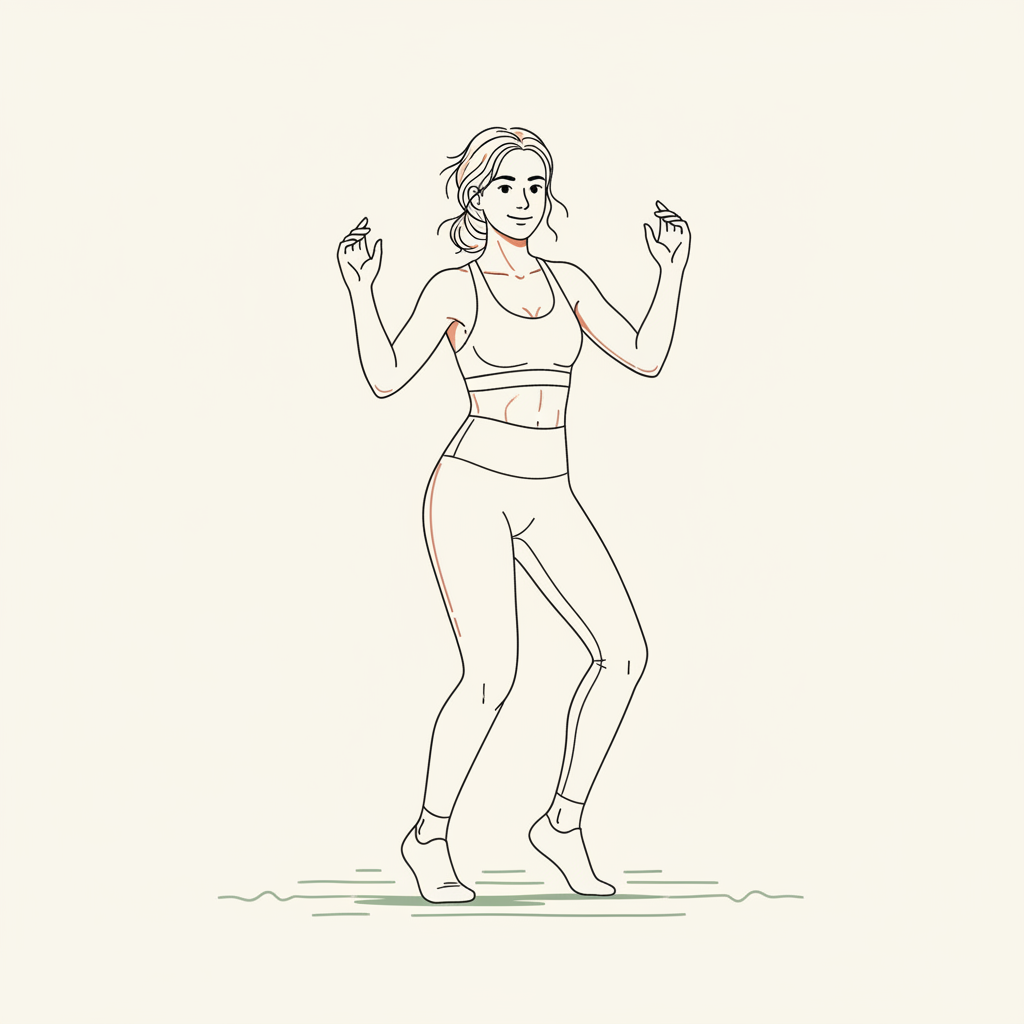
Okay, let's get ready for a wonderful Full Body Shake Out! Begin by standing tall with your feet about hip-width apart and your knees gently bent. Now, with a deep inhale, allow your arms and torso to shake freely and softly, as if you're letting go of all tension, exhaling as you gently bounce and jiggle your whole body, letting it all just hang loose. Focus on releasing any tightness in your shoulders and jaw – that's your key tip. A common mistake is holding too much tension, so really let yourself be soft and flowing with this movement.
Main session
Uneven Surface Engagement
2 roundsTwo Feet on Pillow Stand
45 seconds
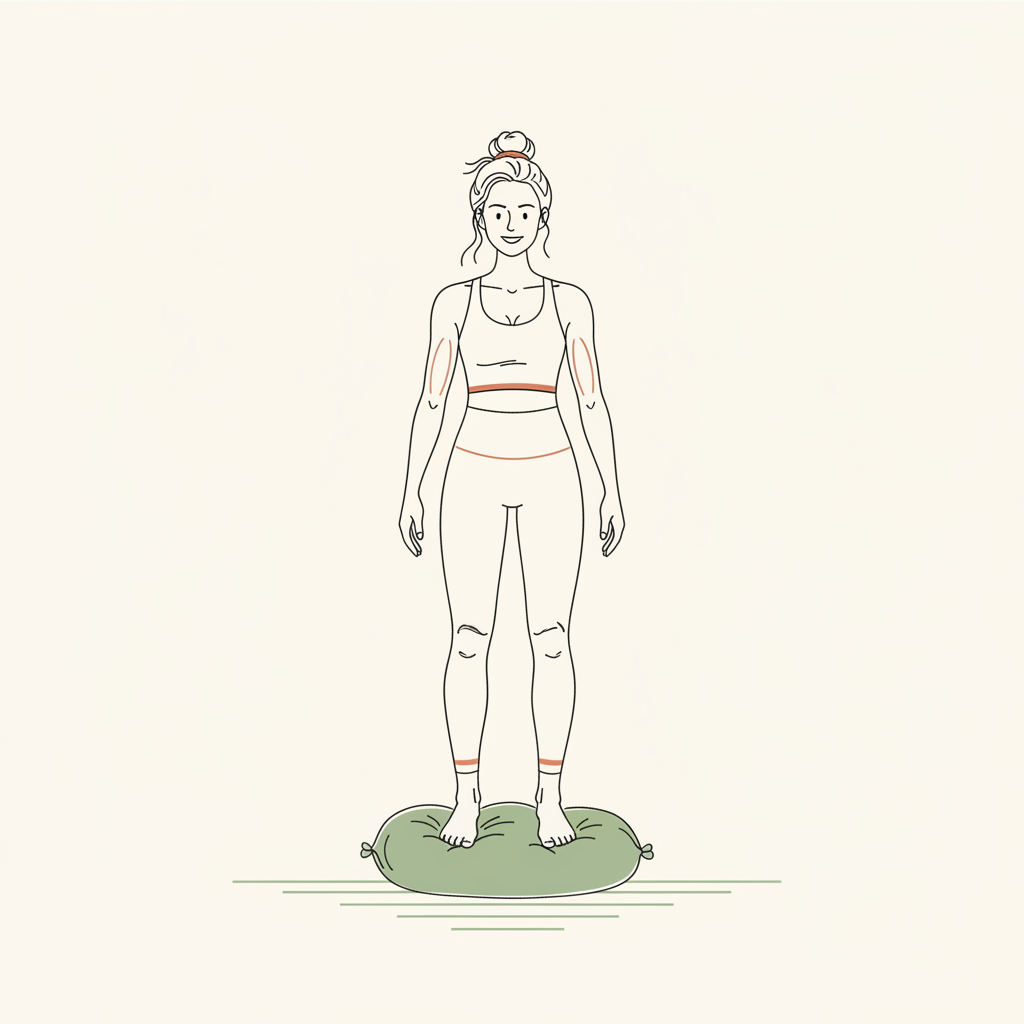
Alright, let's get you sensing the ground and building that balance! Begin with both feet *on* your pillow, standing tall and feeling centered. As you take those two to four small, intentional steps, imagine your feet becoming wider to broaden your base, like little roots growing out. Remember to breathe deeply and smoothly into your belly throughout the movement – a nice slow inhale as you step, gentle exhale as you settle. A super common mistake is rushing through it, so really focus on slow and controlled steps, letting your body find its rhythm. You've got this!
Single Leg Stand on Pillow (right)
30 seconds
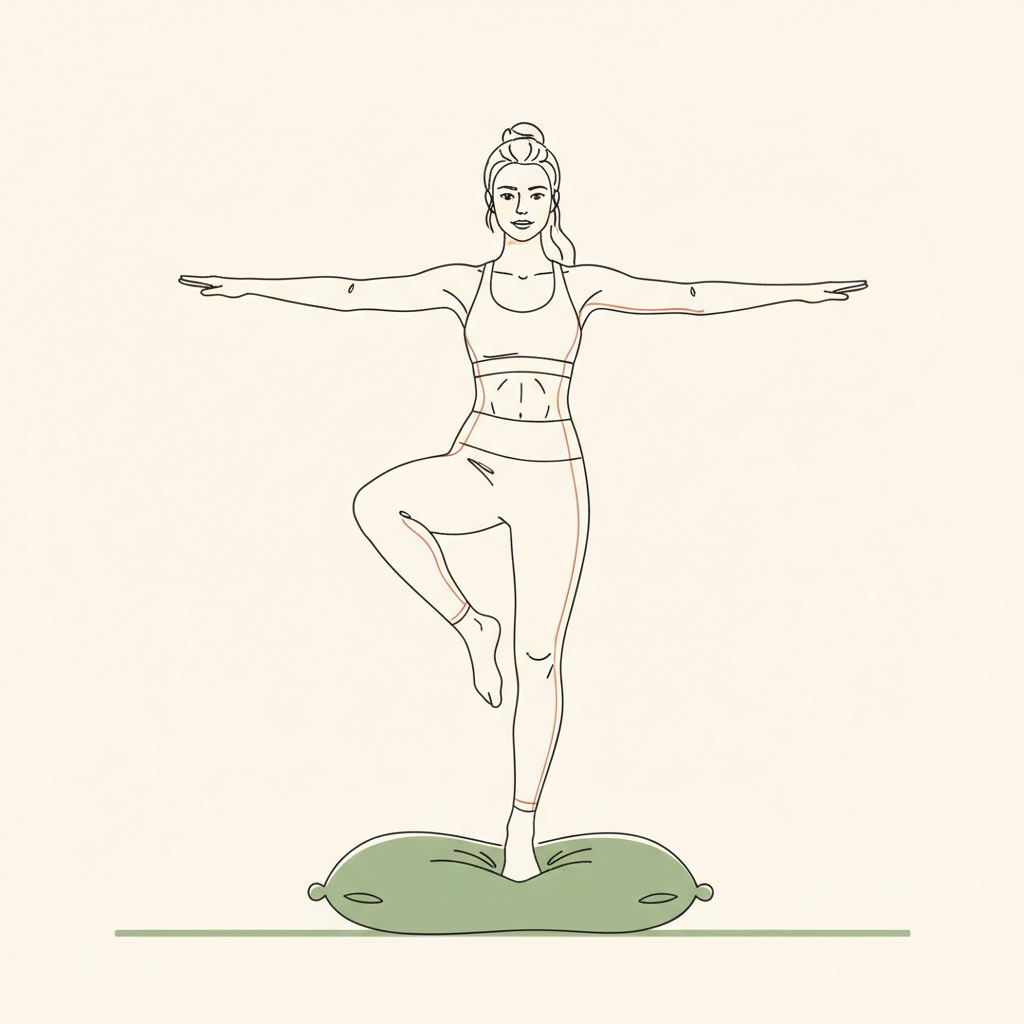
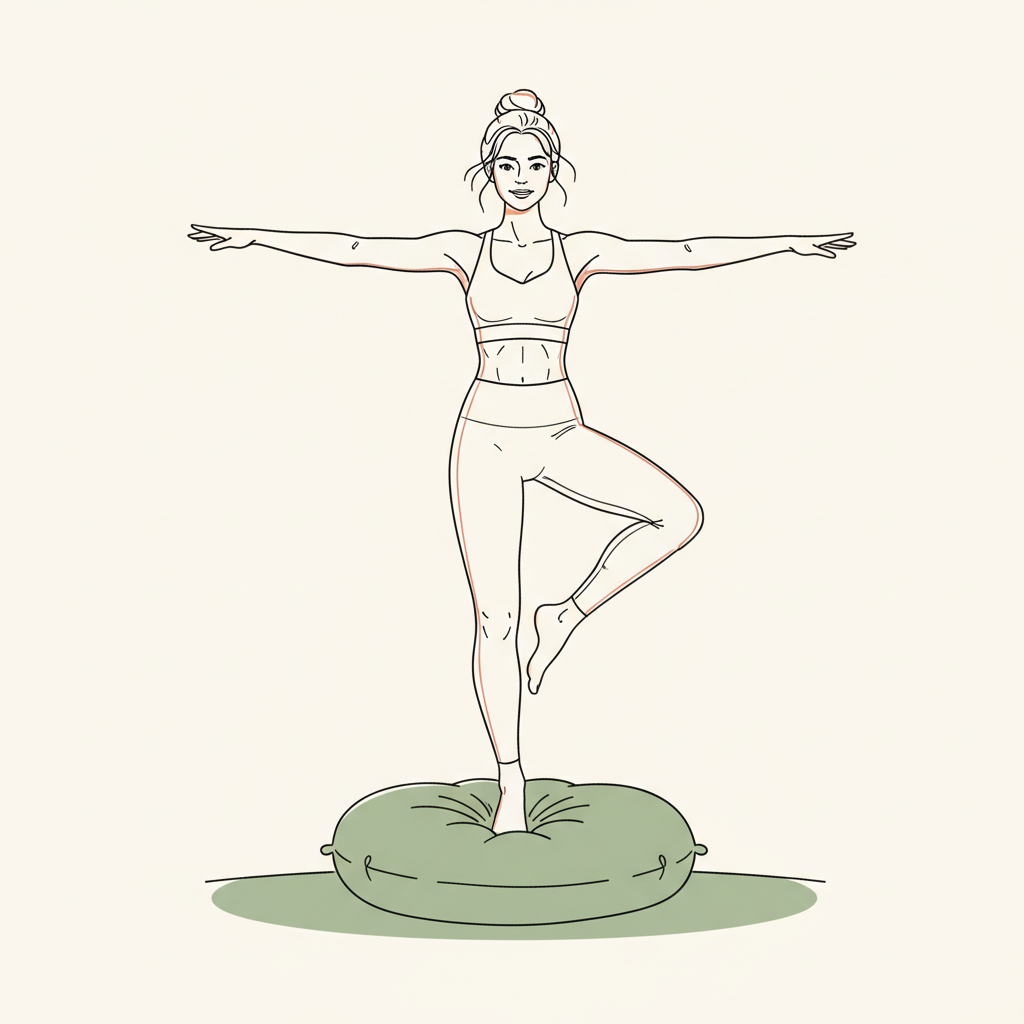
Okay, let's get you balanced! Begin with your right foot firmly planted in the center of the pillow, engaging your core gently as if zipping up tight jeans. Take a lovely, slow inhale as you begin to lift your left foot just an inch or two off the floor, keeping your gaze steady on a spot in front of you. As you exhale smoothly, really press down through your standing foot, feeling that connection to the pillow as you try to hold for a few slow counts. Remember to keep a tiny softness in your right knee – no locking it out! A common mistake is letting your hips sway out to the side too much, so keep them stacked directly over your standing foot. You've got this!
Single Leg Stand on Pillow (left)
30 seconds
Let's get this single leg stand on the pillow just right! Begin standing tall and grounded with your left foot centered on the pillow, right knee slightly bent, and hands gently on your hips for balance. Softly inhale as you root your left foot down, finding your stability, then gently exhale as you maintain that controlled stance, keeping your core lightly engaged. Really focus on pressing evenly through your *whole* left foot, feeling the subtle shifts of your weight. Just be mindful not to let your right hip drop, which is a common tendency – keep those hips level and proud! You've got this.
Head Turns & Gaze
1 roundStanding Head Turns (slow)
60 seconds
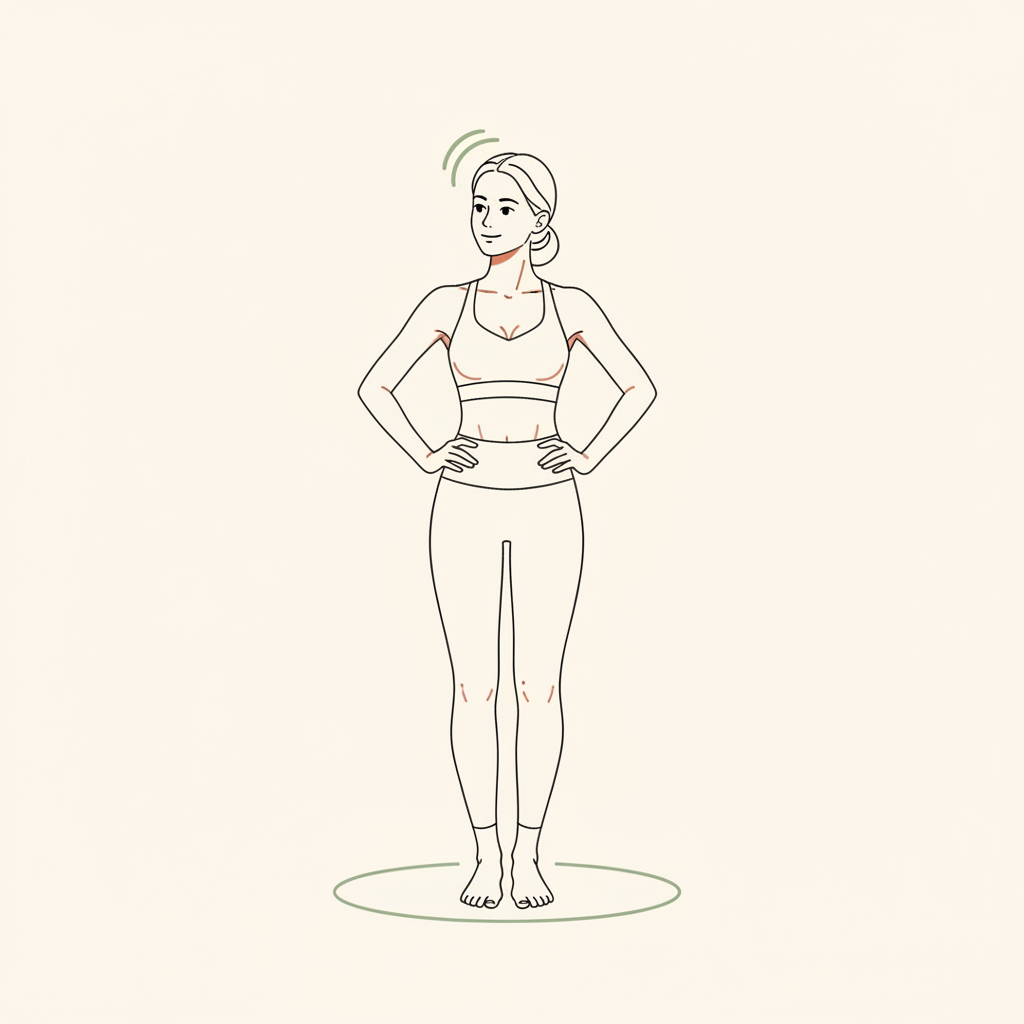
Alright, let's gently guide those head turns. Begin with your feet hip-width apart, knees soft, and spine long, imagining a string gently lifting you from the crown of your head. As you slowly turn your head to the right, breathe out smoothly, really feeling that stretch in your neck, then inhale softly as you return to center. The key here is to keep your shoulders relaxed and down – imagine melting them away from your ears. A common mistake is letting your chin jut upwards as you turn; instead, keep your chin slightly tucked, like you're holding a small peach under it, to protect your neck. Beautifully done.
Gaze Shift (slow)
60 seconds
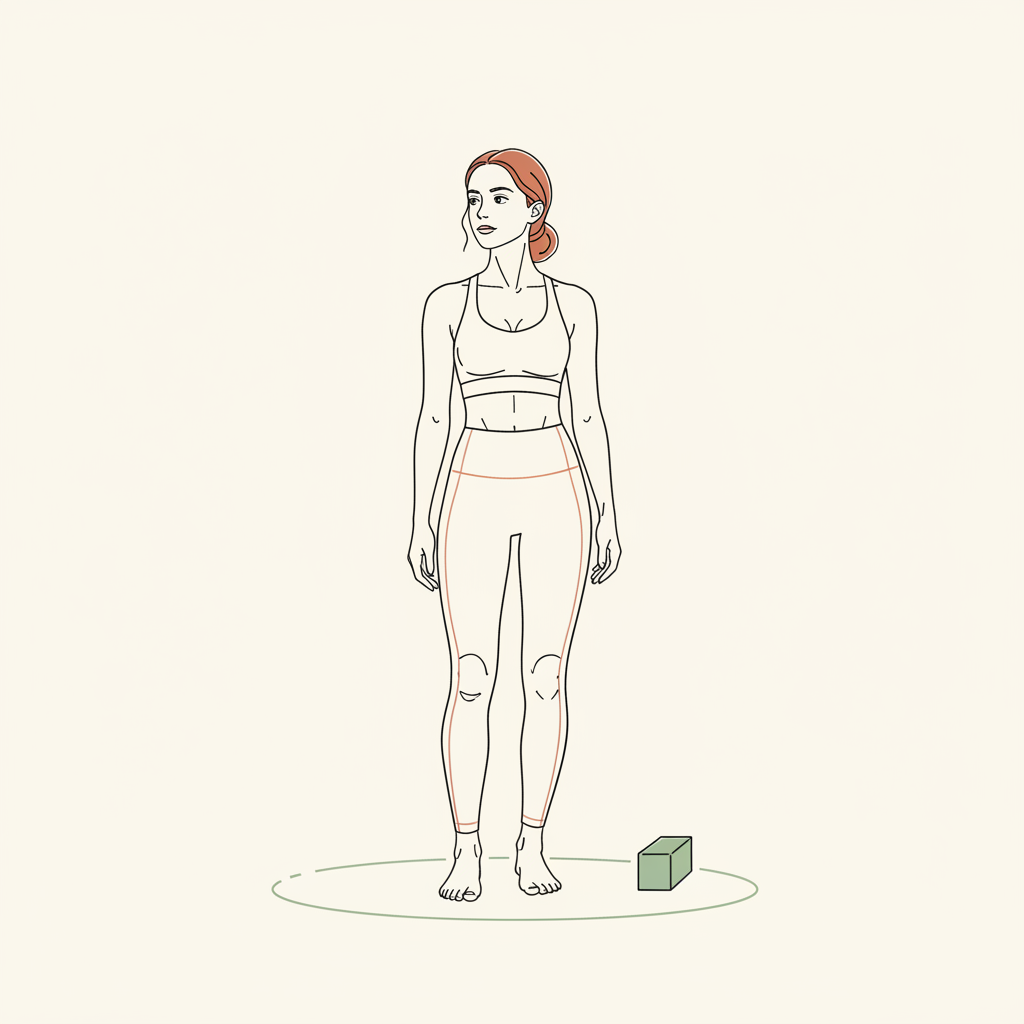
Stand tall with your feet hip-width apart and your chin gently tucked, shoulders relaxed. Softly shift your gaze from side to side, smoothly turning your head with your eyes leading, as if following a slow-moving pendulum, inhaling naturally as you turn one way and exhaling as you turn the other. Let your neck muscles stay long and refrain from shrugging your shoulders upward, a common mistake that can create tension; instead, keep them down and away from your ears, allowing your movement to be centered and calm. Remember to move with intention but without strain, finding a smooth, continuous flow.
Cool-down
Reclined Constructive Rest
120 seconds
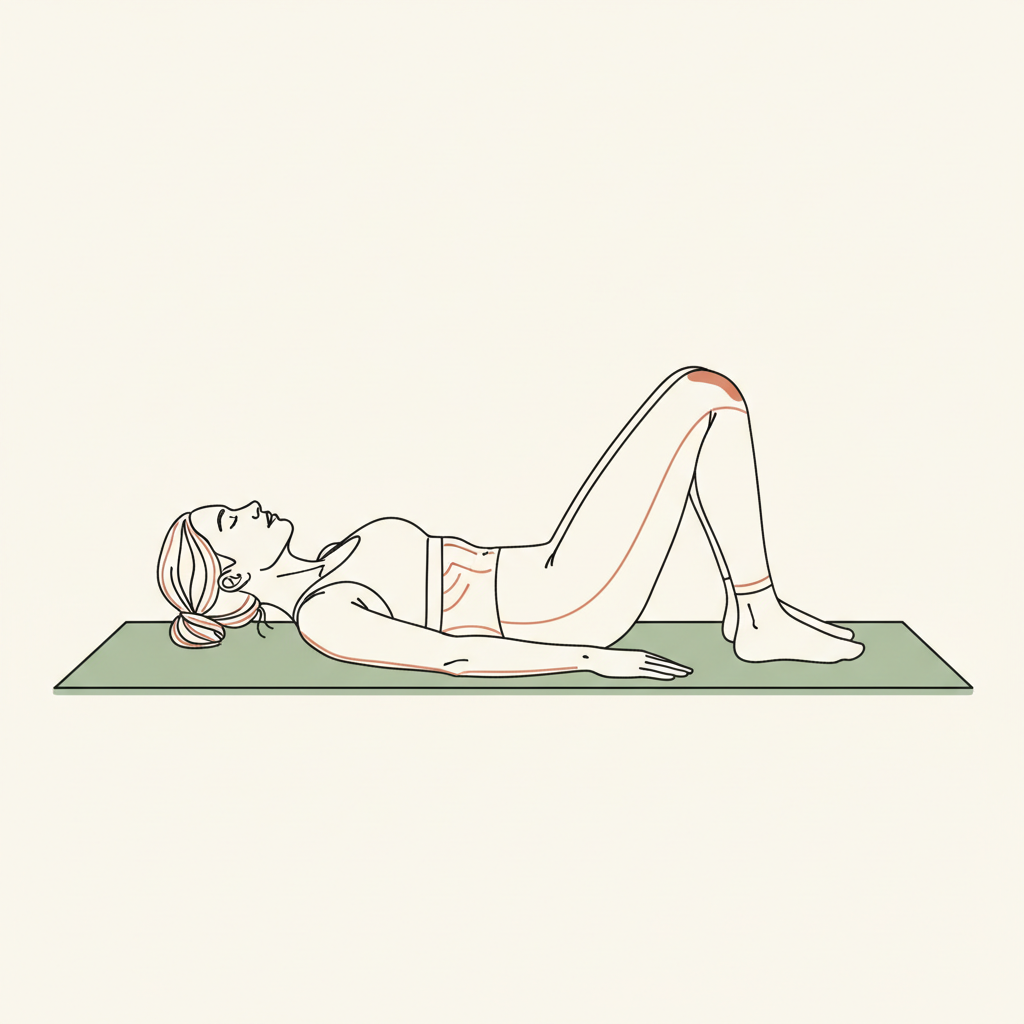
Start by gently lying on your back, knees bent, feet flat and hip-width apart, allowing your knees to softly fall together. As you settle in, take a slow, mindful inhale through your nose, feeling your belly gently rise, and then a long, soft exhale through your mouth, letting your chest and shoulders melt into the floor. The key is to truly surrender to the support beneath you, letting go of any tension. A common mistake is holding tightness in your jaw or clenching your teeth; try to soften your face completely.
Tags