Warm-up
Diaphragmatic Breathing (Box Breath)
180 seconds
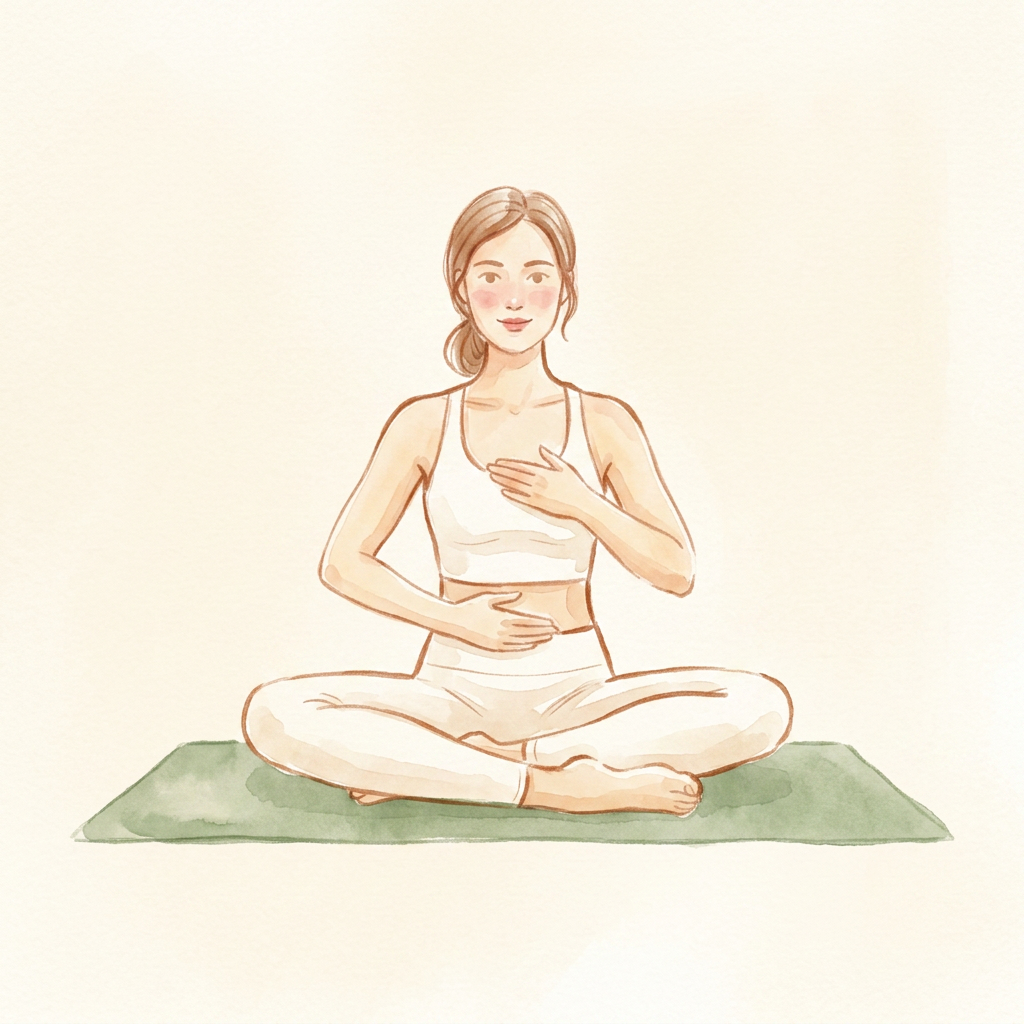
Let's find your calm and center. Begin by sitting comfortably upright, or even lying down if that feels better, gently resting your hands on your belly. Now, breathe in slowly through your nose for a count of four, feeling your belly softly expand with air. Hold that breath for another count of four, then gently exhale all the air through your mouth, as if sighing, for a count of four, watching your belly gently fall. Pause for four counts before your next inhale. Remember to focus on that gentle belly movement, allowing it to initiate each breath. A common mistake is letting your chest rise and fall instead of your abdomen, so keep your attention on that soft belly expansion. You've got this!
Main session
Breath-Led Calm
1 roundDesk Stretch/Standing Forward Fold
120 seconds
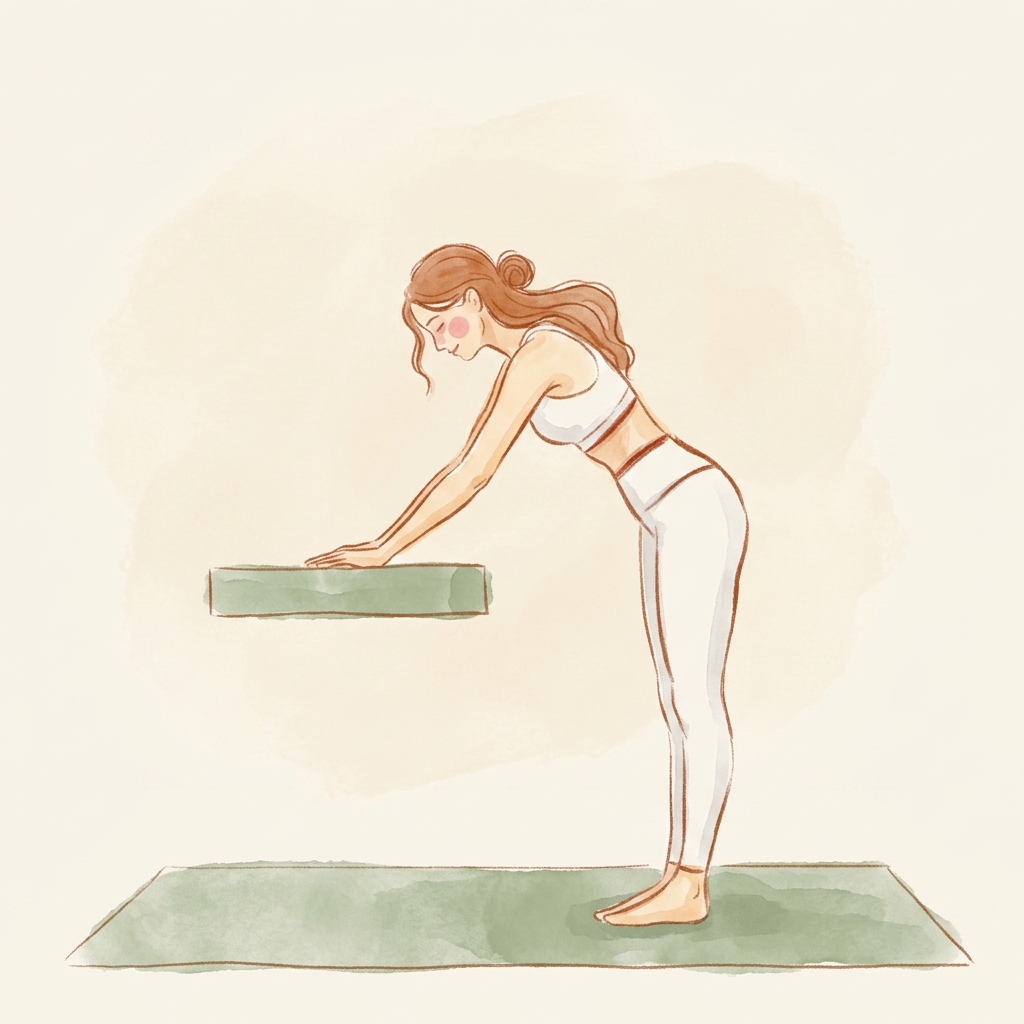
Let's create some lovely length in your body! Begin standing tall with your feet hip-width apart and a slight bend in your knees. Inhale deeply, and as you exhale, gently hinge forward from your hips, letting your arms hang heavy towards the floor. Breathe naturally here, allowing your spine to lengthen with each subtle breath. Focus on keeping your neck relaxed, letting your head drop freely. A common mistake is to try and touch the floor with straight legs, which can strain your hamstrings – remember that soft knee bend is your friend!
Kneeling Chest Opener (arms to sides)
120 seconds
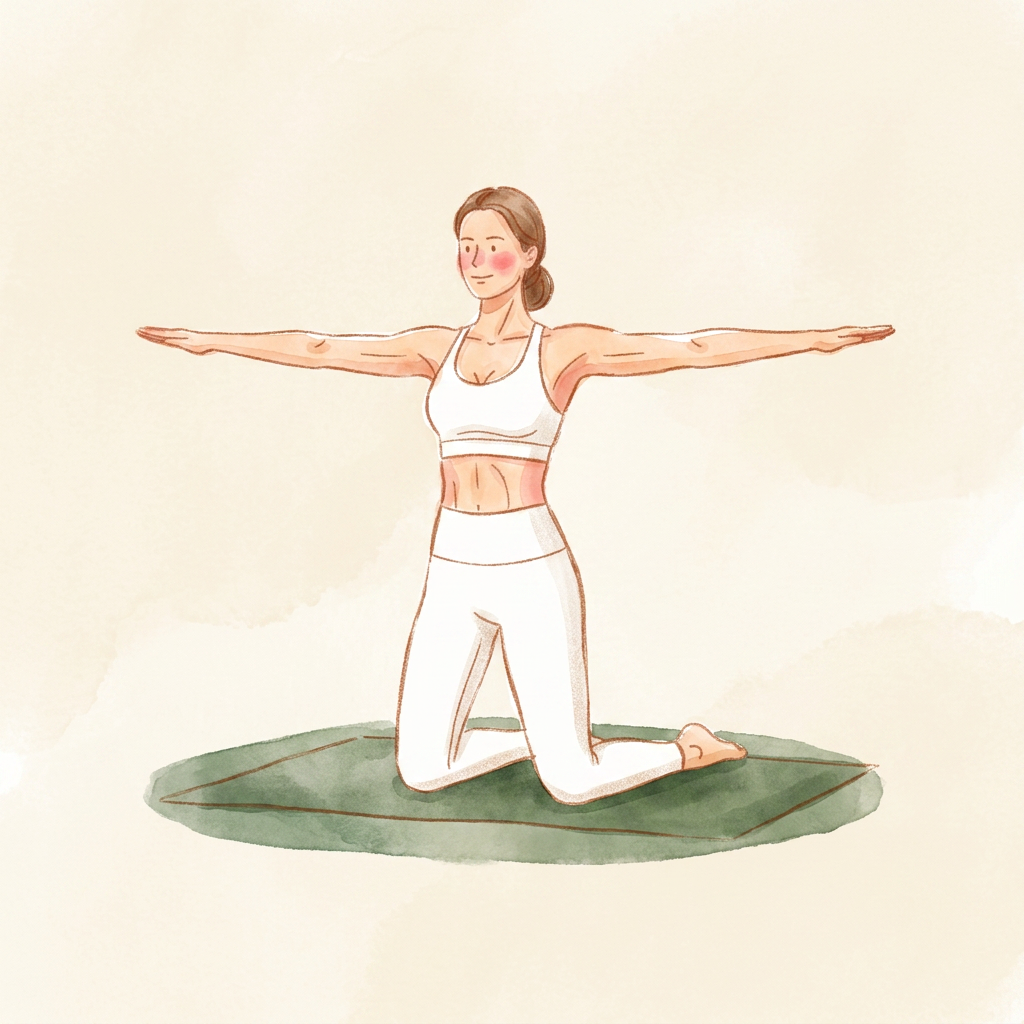
Let's gently open up that chest. Begin kneeling with your hips stacked over your knees, a soft gaze forward. As you inhale deeply, raise your arms out to your sides, palms facing forward, feeling your chest expand. Slowly exhale as you bring your arms back down, keeping a gentle engagement in your shoulder blades throughout the movement to really broaden across your collarbones. Be mindful not to let your ribs flare out; keep your core softly engaged. You're doing great!
Gentle Pelvic Tilts (on back)
180 seconds
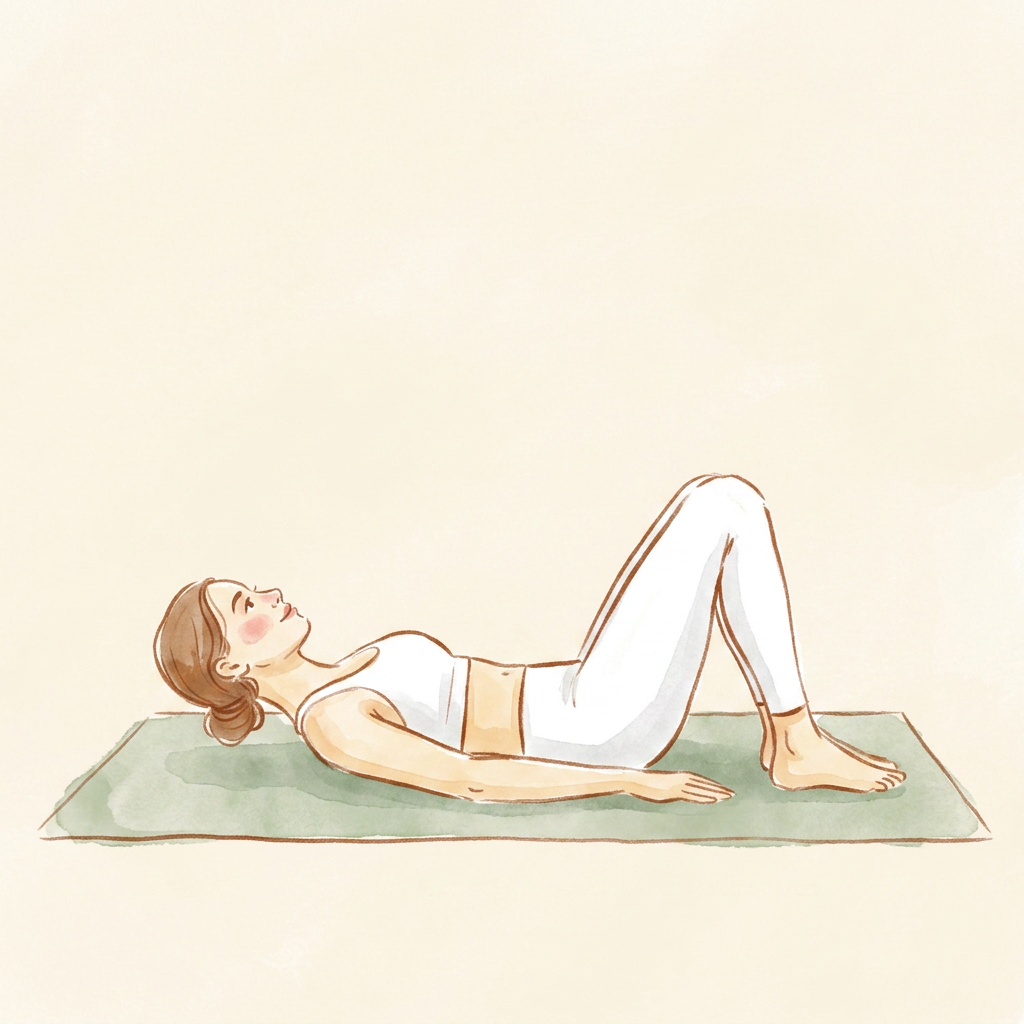
Lie on your back with knees bent, feet flat a comfortable distance from your sit bones. Gently soften your belly as you exhale, allowing your tailbone to lengthen and your low back to gently imprint into the mat. As you inhale, feel your tailbone subtly lift, creating a small arch in your low back. Focus on this gentle rock coming from your pelvis, not your glutes or core squeezing. A common mistake is using too much force, trying to push your back flat rather than letting it be a natural, gentle roll.
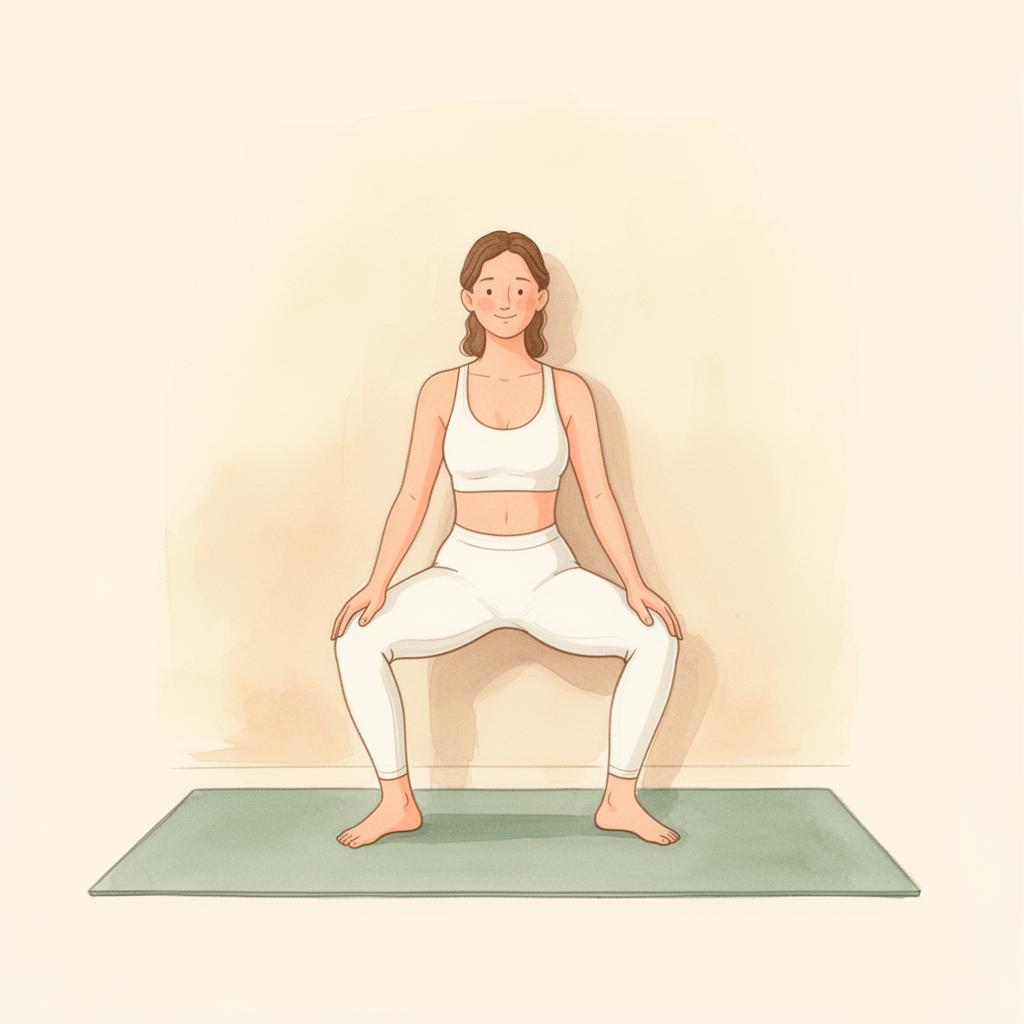
Wall Supported Squat (gentle, holding)
180 seconds
Let's gently strengthen those legs! Begin by standing a comfortable foot or so from the wall, with your feet about hip-width apart and toes pointing forward. As you imagine slowly sliding your back down the wall, inhaling deeply as you descend, pretend you're sitting into a chair behind you, keeping your chest open and shoulders relaxed. Focus on maintaining contact between your lower back and the wall throughout the movement, and exhale as you gently push back up to standing. A common pitfall to avoid is letting your knees drift inward; keep them tracking over your toes.
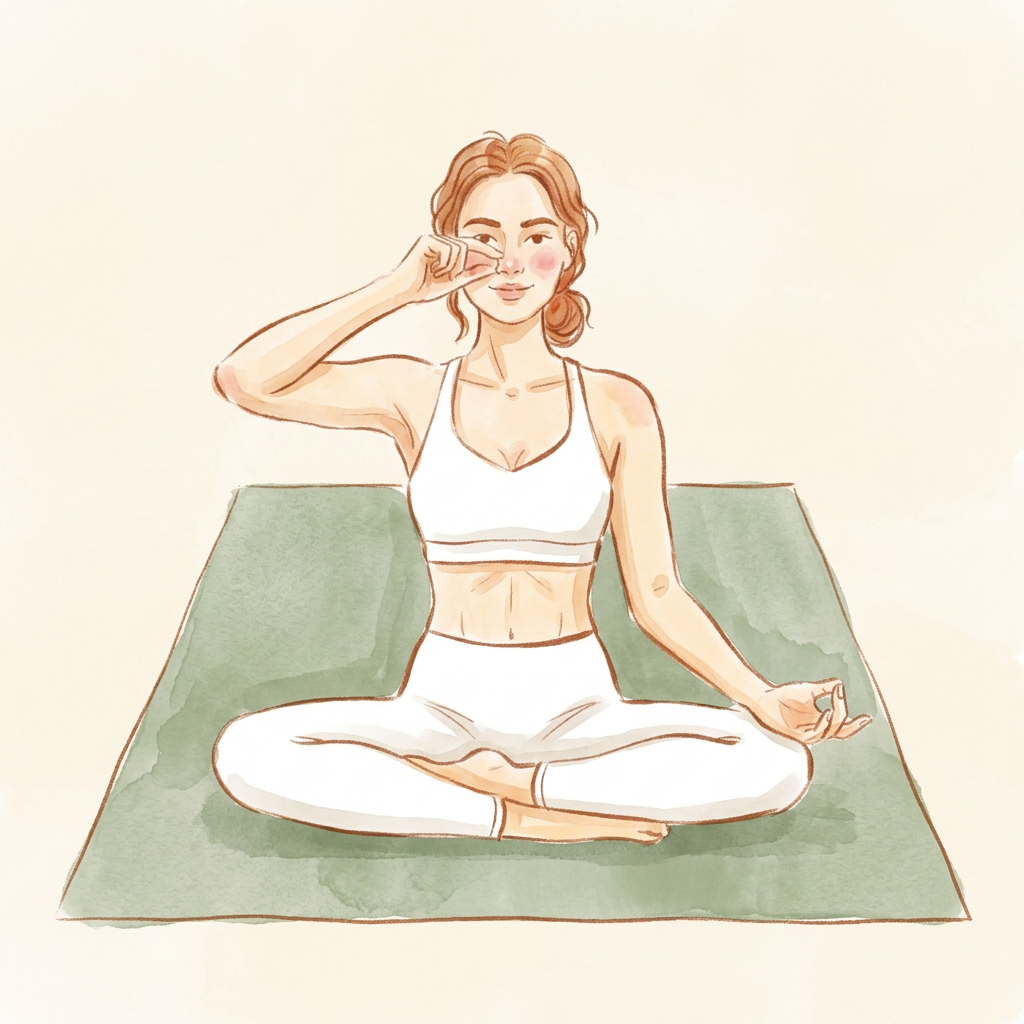
Alternate Nostril Breathing (Nadi Shodhana)
300 seconds
Gently settle into a comfortable, upright seat, feeling grounded and at ease. With your right hand, gracefully close your right nostril with your thumb and softly inhale through your left; then, release your thumb, close your left nostril with your ring finger, and exhale completely through your right, following this soothing, alternating rhythm. Remember to keep your breath smooth and unforced, a gentle tide flowing in and out. A common pitfall is rushing the breath, so allow each inhale and exhale to unfold naturally, nourishing your sense of calm.
Cool-down
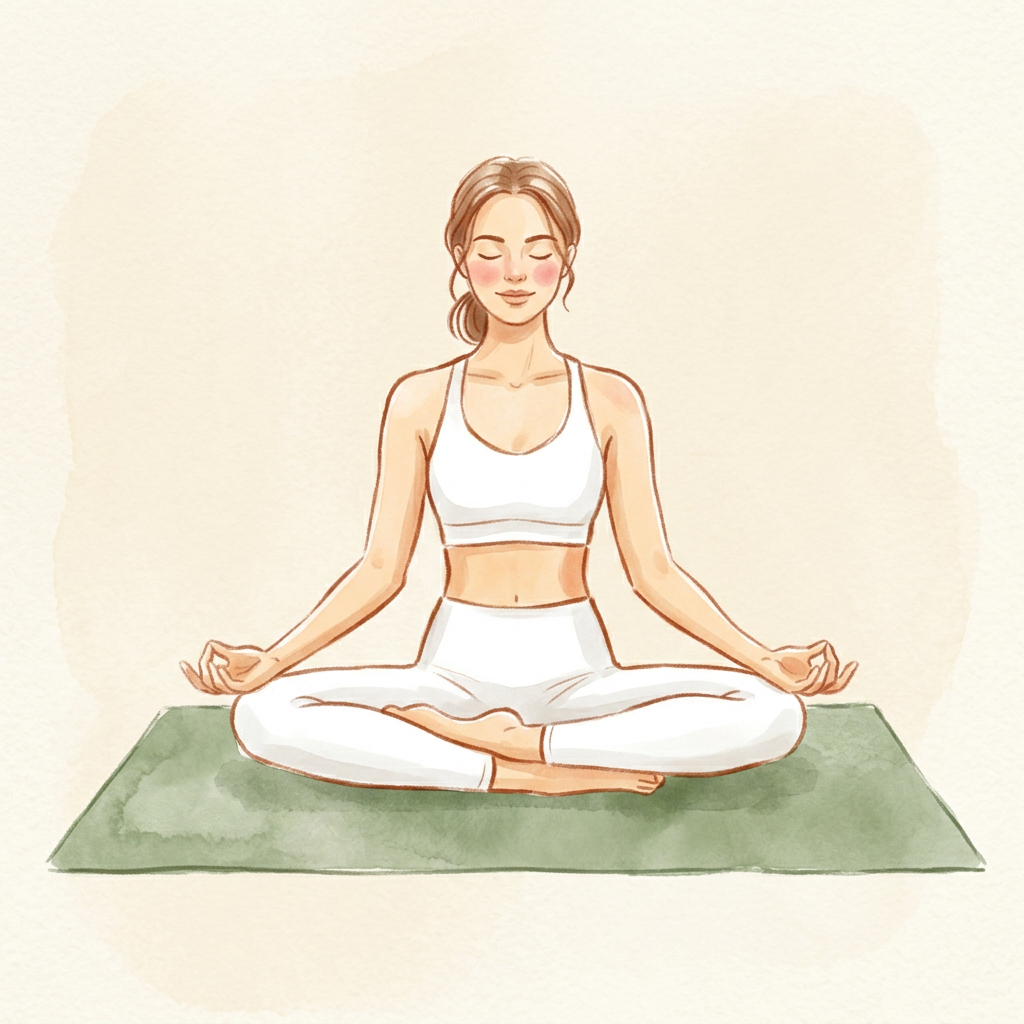
Comfortable Seated Meditation
120 seconds
Gently settle your sit bones onto a cushion or chair, allowing your spine to lengthen naturally. Close your eyes softly, bring your awareness to your breath, and with each slow inhale, feel your abdomen rise, and with each exhale, notice it gently fall. Aim for a relaxed, open chest posture, avoiding any slump in your shoulders. The most common mistake is forcing the breath or tensing up – simply allow it to be natural and flowing.
Tags