Warm-up
Sitting Triceps Stretch on a Chair
180 seconds
Sit tall towards the front of a sturdy chair with your feet flat and hip-width apart. Breathe in and lift both arms overhead, then bend one elbow so that hand drops behind your head towards your upper back. Use the other hand to gently press the bent elbow back until you feel a stretch along the back of your upper arm. Exhale as you settle into the stretch, letting your pelvic floor relax and keeping your ribs soft rather than flaring. Keep your head tall, don't push your neck forward, and ease off if your shoulder pinches. Hold for a few slow breaths, then switch arms.
Glute & Core Activation
180 seconds
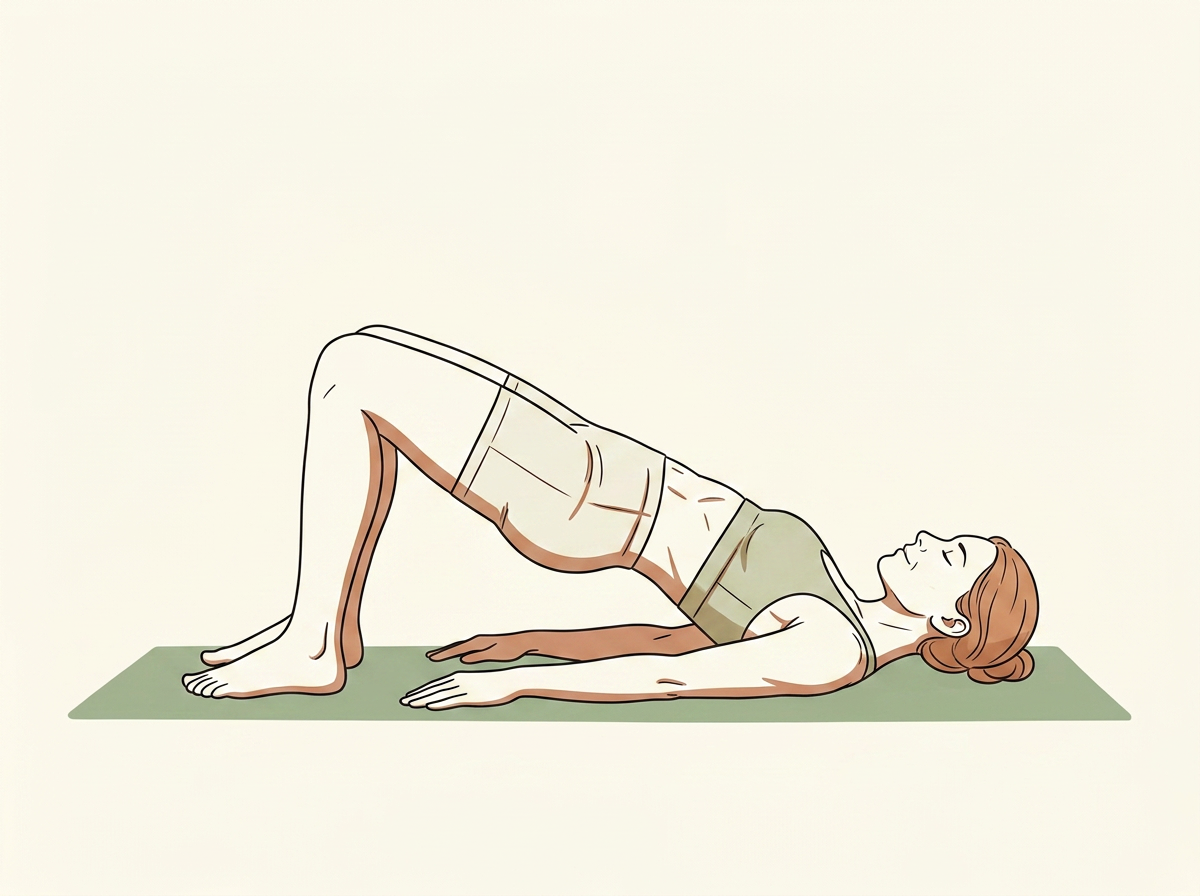
Lie on your back with your feet hip-width apart and a resistance band tucked just above your knees. Press your lower back lightly into the floor as you lift your hips, keeping your ribs tucked toward your pelvis to engage your deep core. Exhale steadily as you lift or extend your limbs to manage internal pressure and protect your pelvic floor. Focus on a strong squeeze in your glutes and a steady tension through your midsection rather than arching your spine. Avoid letting your knees cave inward or holding your breath during the movements. You should feel a warmth building in your hips and a firm, supportive sensation across your lower stomach.
Light Warm-Up Sets
240 seconds
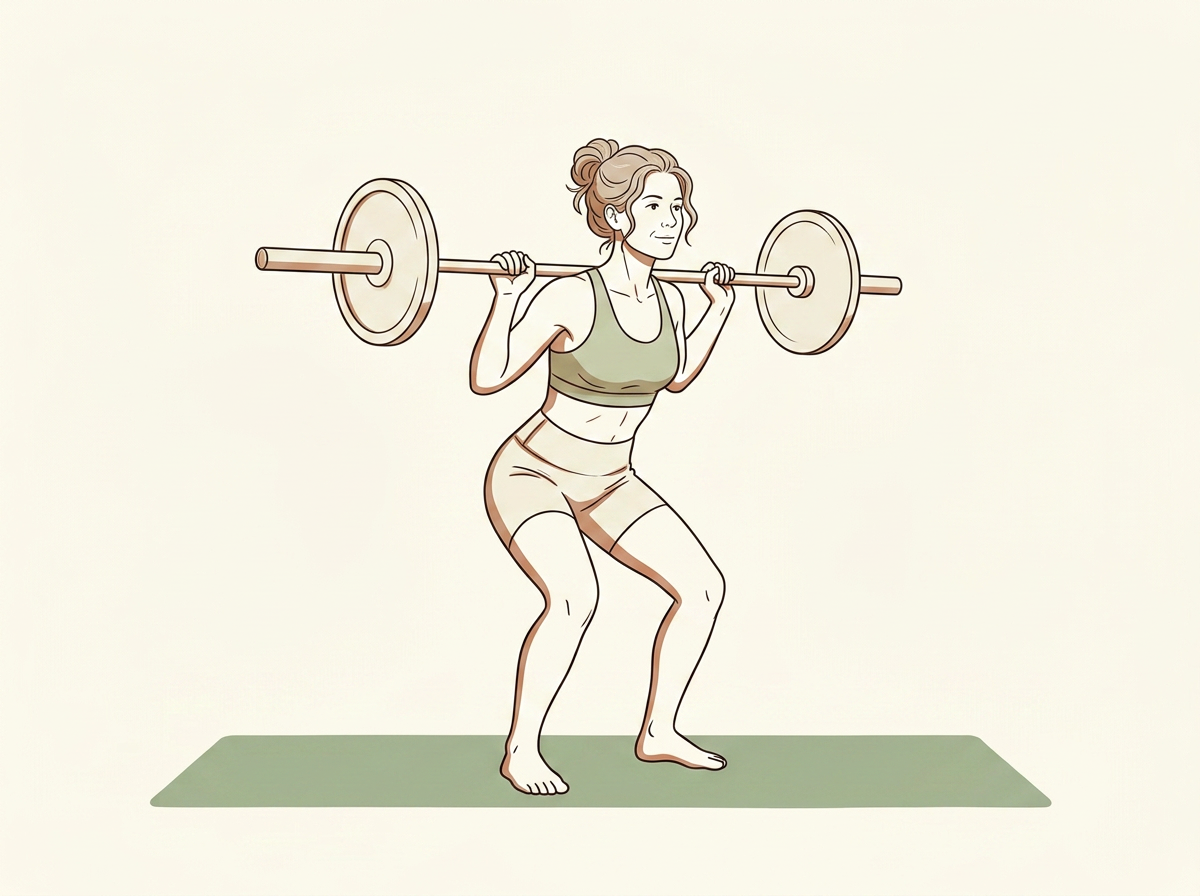
Stand with your feet planted firmly and your spine long to prepare for your first lift. Move through the repetitions slowly, focusing on a smooth path and steady control as your muscles begin to warm. Exhale as you push or pull the weight, keeping your breath fluid to avoid putting unnecessary pressure on your pelvic floor. Avoid rushing these sets or treating them as a race. You should feel your joints becoming more mobile and your body gradually waking up. These lighter loads build the mind-muscle connection needed for your heavier work ahead.
Main session
Heavy Strength
5 sets per lift. Rest 2-3 minutes between reps.Dumbbell Lateral Raises
8-12 reps
Ready to feel strong with those lateral raises! Begin standing tall, shoulders relaxed, holding the dumbbells gently at your sides. As you exhale slowly, imagine you're pouring two pitchers of water out to the sides, lifting the weights only to shoulder height, keeping a slight bend in your elbows. Inhale softly as you control their descent back down. Remember to keep those shoulders down and away from your ears throughout the movement – a common mistake is shrugging, which can put strain on your neck. You’ve got this, let’s make those shoulders shine! Choose a weight heavy enough that the last two reps are a real effort while your form stays clean. When every set feels comfortable at the top of the rep range, add a little weight next week, and go lighter on deload weeks.
0 / 12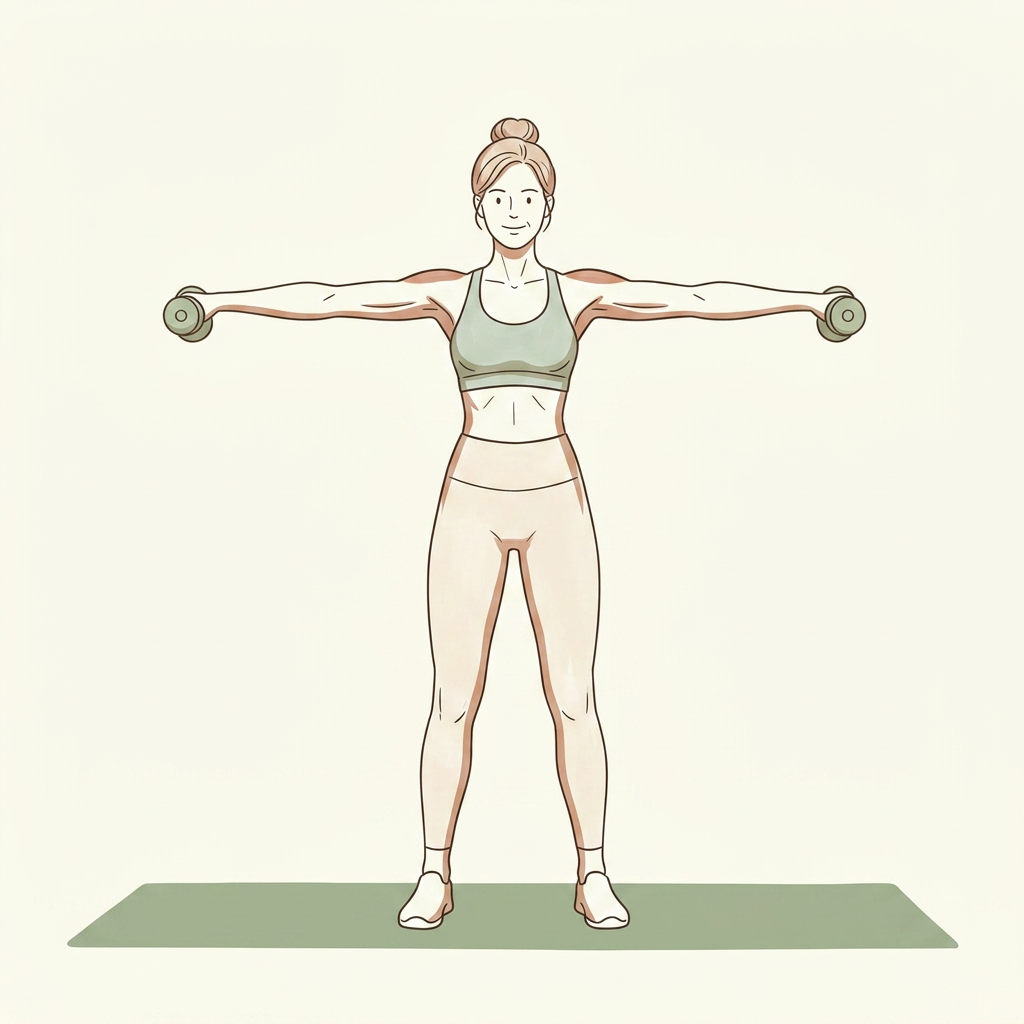
Bent-Over Row
3-5 reps
Stand with your feet hip-width apart and hinge forward at the hips while keeping a long, flat back. Hold the weight with your arms hanging naturally, then pull it toward your lower ribs by driving your elbows toward the ceiling. Focus on squeezing your shoulder blades together at the top of the movement. Exhale as you lift the weight, making sure to gently support your core without pushing down toward your pelvic floor. Avoid rounding your shoulders or using momentum to swing the weight. You should feel this work in your upper back and between your shoulder blades. Choose a weight heavy enough that the last two reps are a real effort while your form stays clean. When every set feels comfortable at the top of the rep range, add a little weight next week, and go lighter on deload weeks.
0 / 5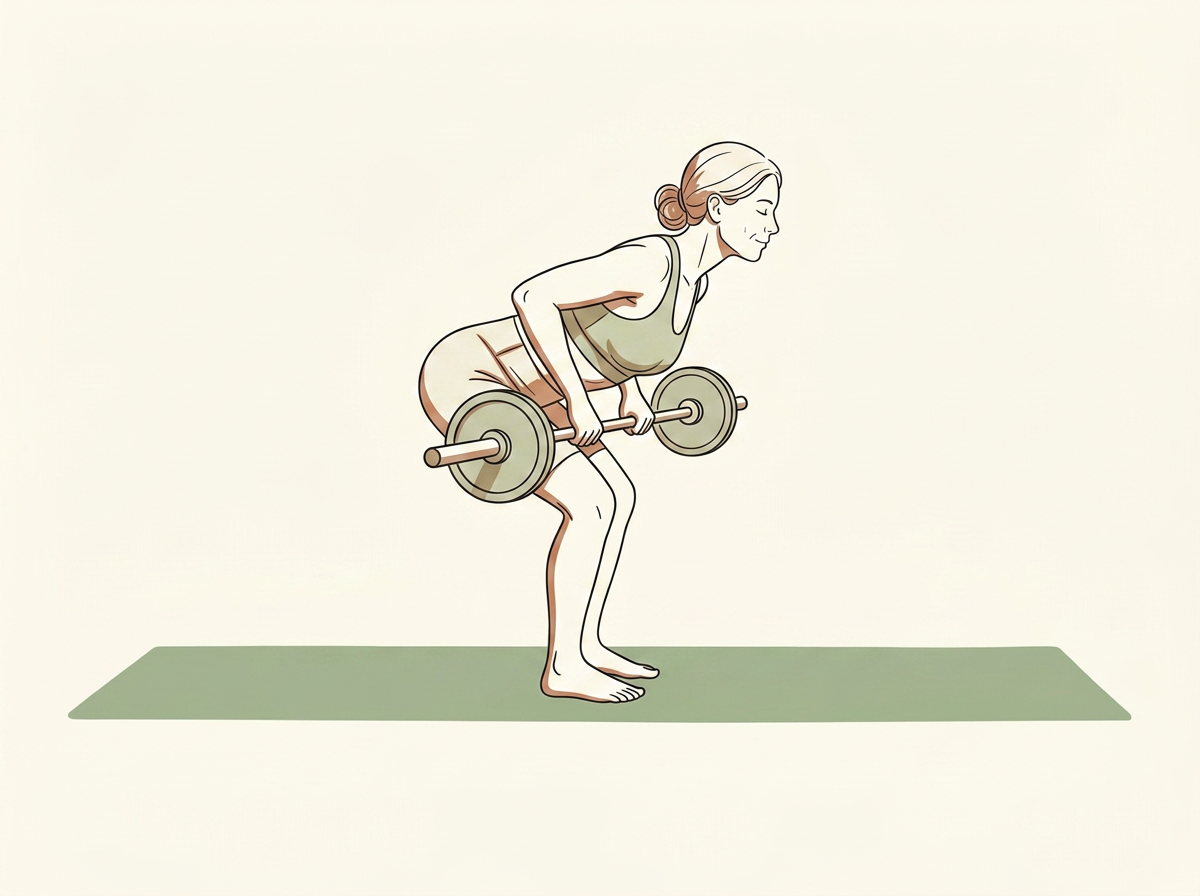
Weighted Push-Up or Bench Press
3-5 reps
Lie flat with your feet planted firmly and your shoulder blades tucked under you for a stable base. Lower the weight slowly toward your chest, keeping your elbows at a comfortable angle rather than flared wide. Push the weight back up with steady power until your arms are long. Exhale deeply as you lift to help manage internal pressure, being careful not to push down toward your pelvic floor. Avoid letting your lower back arch off the surface as you tire. You should feel this work in your chest and the backs of your arms while your core stays calm and supportive. Choose a weight heavy enough that the last two reps are a real effort while your form stays clean. When every set feels comfortable at the top of the rep range, add a little weight next week, and go lighter on deload weeks.
0 / 5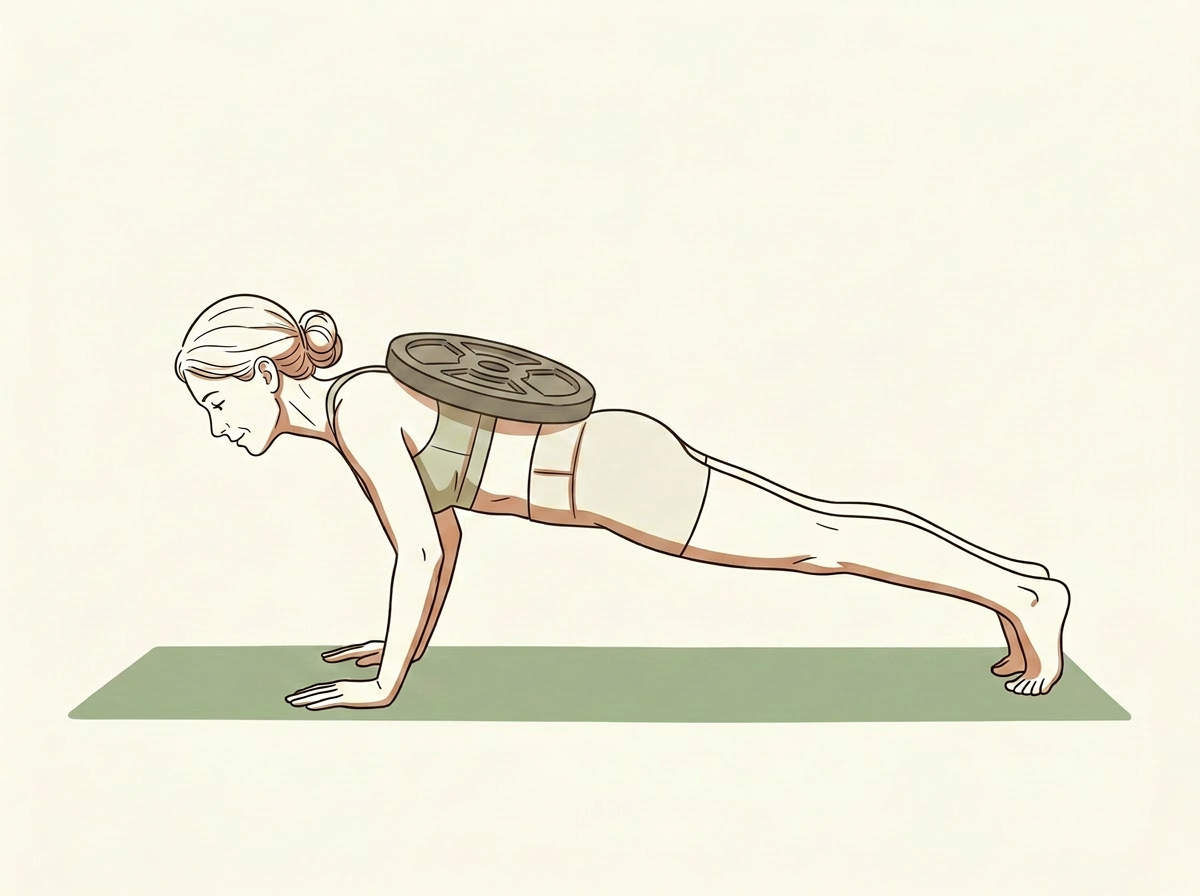
Face Pulls
10-15 reps
Alright, let's get you set up for perfect face pulls! Stand tall with soft knees, grasping the rope with your palms facing each other, wrists straight. As you gently pull the rope towards your face, leading with your elbows, feel your shoulder blades drawing together and down. Exhale smoothly as you pull and inhale as you slowly return to the start. A good tip is to imagine you're trying to pinch a pencil between your shoulder blades. Just be mindful not to let your elbows drop too low, as that shifts the work away from your upper back. You’ve got this!
0 / 15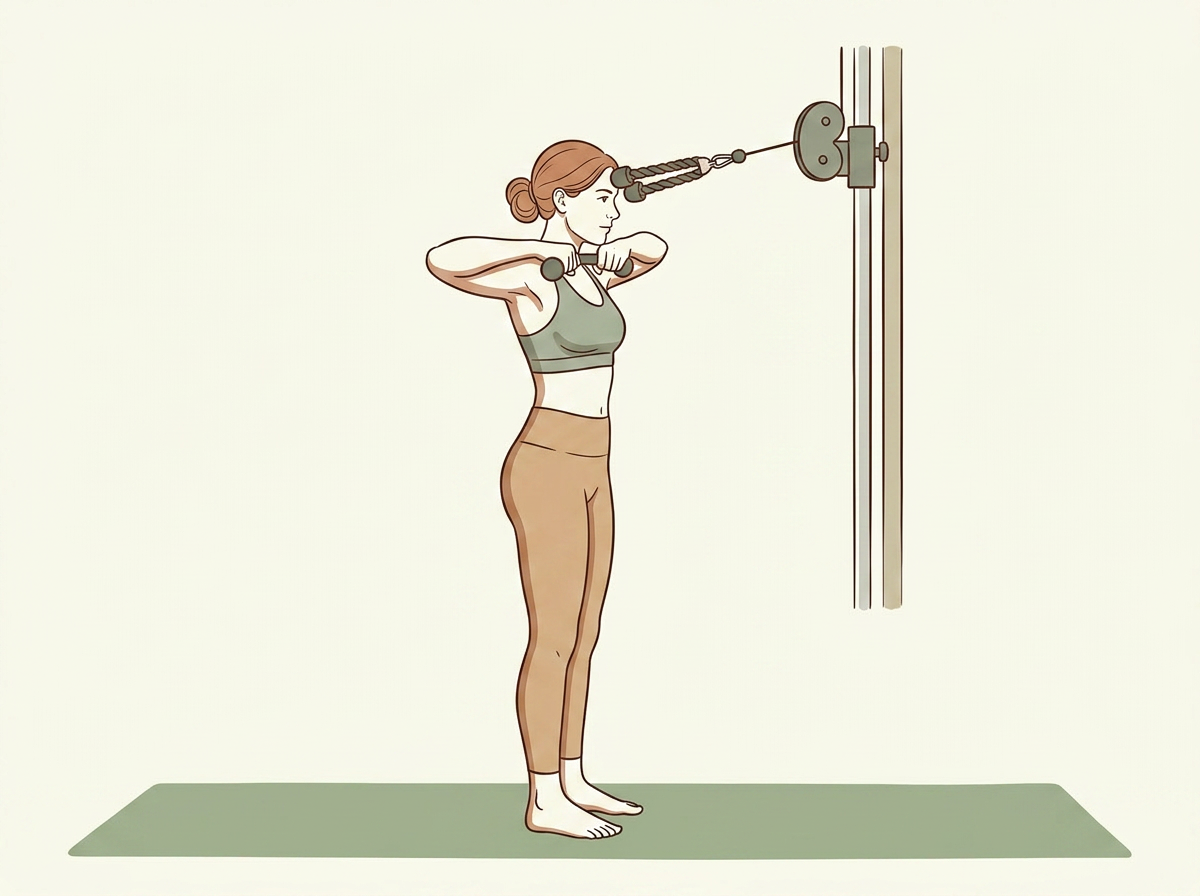
Cool-down
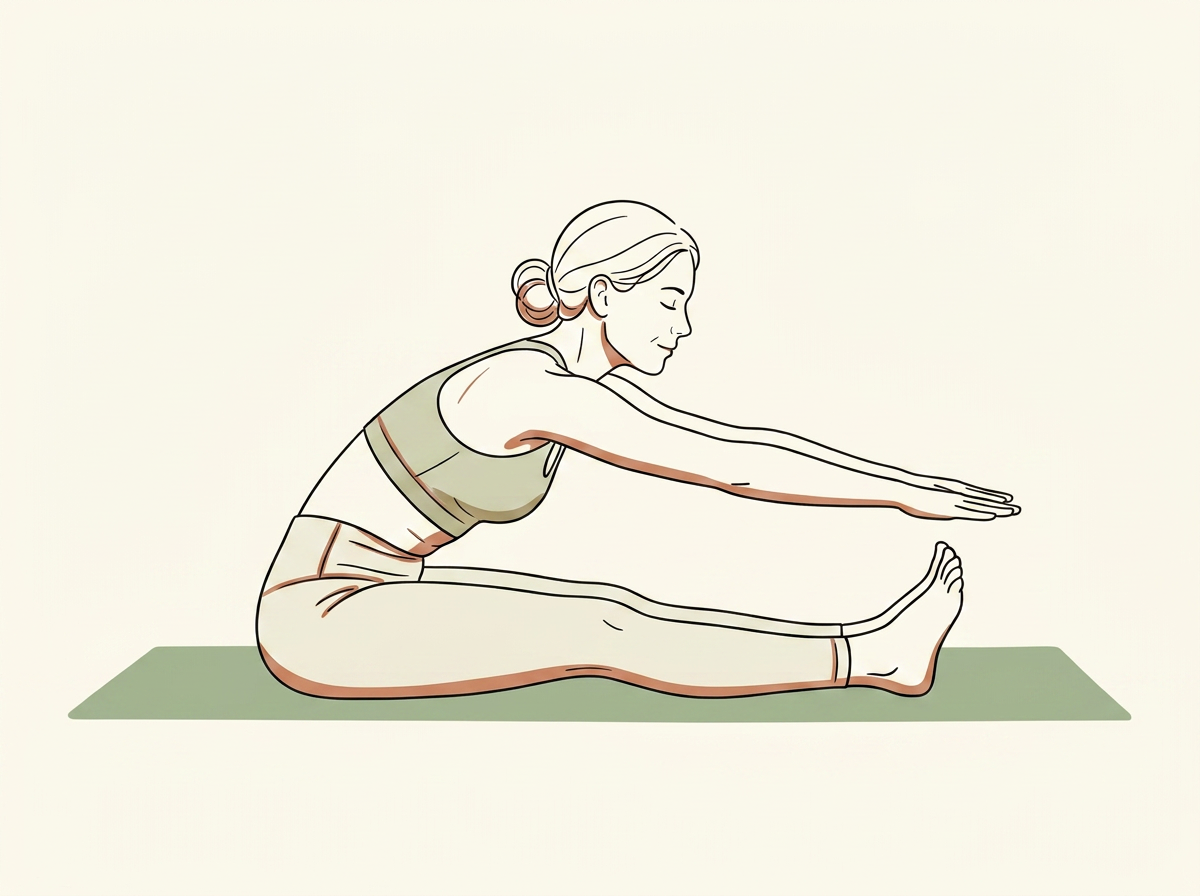
Static Stretch
300 seconds
Gently ease into your stretch by finding a comfortable position where you feel a mild pull, like reaching for a low-hanging branch. As you slowly breathe in through your nose, then softly exhale through your mouth, deepen into the stretch, imagining your muscles lengthening like warm taffy; feel that gentle release. A good tip is to avoid bouncing or forcing the stretch, letting your breath guide you deeper. A common mistake is holding your breath, which can make your muscles tense up, so remember to keep that air flowing softly.
Tags